

Stress—
It’s something that most of us accept as an unavoidable part of life, something to manage, push through, or just deal with.
On the other hand—what if the very idea of managing and putting up with stress is actually making things worse?
Let's take a look at what neuroscience reveals about the true cost of stress—not just on your body and mind, even on your wallet.
Yes, your wallet!
Let’s be honest—that’s usually the first thing to grab our attention—If only we gave as much attention to our well-being as we do about our bank balance!
The reality is—stress is sneaky.
It doesn’t just steal your peace of mind —it hijacks your health, slashes productivity, and racks up medical bills and empties your wallet faster than you can say "co-pay."
On the other hand—
Neuroscience Has Good News
Neuroscience shows that shifting from just putting up with stress to recognizing and avoiding it can be a total game-changer.
Not only can it save you money—there's that important money word again—even more crucially, it can save your health—and your life.
Let’s dive in and explore how small shifts can lead to big, lasting, life-saving—and yes, money-saving—changes.
Money on the brain
If you're someone who easily gets bored by research and statistics, that's perfectly fine!
While we include them for those who relish the details, you’re free to skip over them.
You can click here to go immediately to "The True Costs of Stress Are Not Only Dollars and Cents" and keep moving forward without missing a beat.
The Cost of Stress-Related Health Issues
Stress-related physical health issues impose a significant financial cost to society.
The Centers for Disease Control and Prevention (CDC) reports that 90% of the United States' $4.5 trillion annual healthcare expenditures are for individuals with chronic and mental health conditions---many of which are stress-induced. cdc.gov
Post-Traumatic Stress Disorder (PTSD) alone accounts for an estimated $232.2 billion in economic costs, with an average cost of $19,630 per affected individual.
Furthermore, adverse childhood experiences (ACEs), which contribute to lifelong stress-related health issues, result in an annual economic cost of $14.1 trillion, including $183 billion in direct medical costs.
Additionally, the rising cost of mental health care exacerbates the financial strain on families. Nearly one in four individuals live with a mental health condition, and the expenses associated with treatment have increased by almost a third from 2017 to 2021, and continue to increase. This surge in costs often forces families to accumulate debt or discontinue necessary treatment due to financial constraints. parents.com
These statistics underscore the pervasive and costly impact of stress on both individuals and the broader economy.
The True Costs of Stress Are Not Only Dollars and Cents
Stress isn’t only about dollars and cents—it is about how you feel in your body and mind. While both acute and chronic stress can have significant effects, their impacts differ greatly.
If you recall from Module 1—
Real Tiger Acute Stress is immediate, high-intensity, and short-term—it quickly returns to normal once the threat passes.
Your body is designed to handle the Real Tiger short-term stress without long-term damage.

Real Tiger Acute Stress

Imaginary Tiger Chronic Stress
On the other hand—Chronic Stress "Imaginary Tigers" are triggered by perceived threats that show up in the form of a persistent, ongoing state of stress that lingers, continually looms in the background, and slowly wears you down over days, weeks, or even years.
Your body is NOT designed to handle the "Imaginary Tiger" long-term stress without long-term damage.
The True Costs of Stress on the Brain and Body
According to neuroscience, stress rewires the brain—and not in a good way.
Chronic stress strengthens neural pathways associated with fear, anxiety, and negative thinking while weakening those related to logical decision-making and emotional regulation.
Over time, this can lead to—
Warning Signs of Physical Symptoms

You can see that Chronic stress’s impact goes far beyond financial costs—it affects you physically and psychologically, quite often with these key symptoms that are important to recognize...
Warning Signs of Psychological Symptoms
Key Takeaway
"Imaginary Tiger" chronic stress takes a toll on your overall well-being.
It continuously wears on your body and mind, and left unchecked contribute to long-term health issues and diminishing your quality of life.
Because "Imaginary Tiger" symptoms can become familiar and comfortable, they often go unnoticed until their cumulative effects cause serious physical and mental damage.

By understanding these damaging effects—you can see that stress is not merely a financial burden or an inconvenience—it has deep, lasting effects on your physical health and psychological state...and your quality of life.
Recognizing these warning signs is an important step toward addressing and ultimately avoiding the chronic stress that can silently erode your well-being—the sooner, the better.
Likewise, what if we could recognize our common everyday responsibility stressors and stop them from contributing to the true costs of stress in our lives by avoiding being stressed by them in the first place?
That sounds like a great plan to me.
Are you with me?
If so, let's take a look—
Unnoticed Common Responsibility Stressors
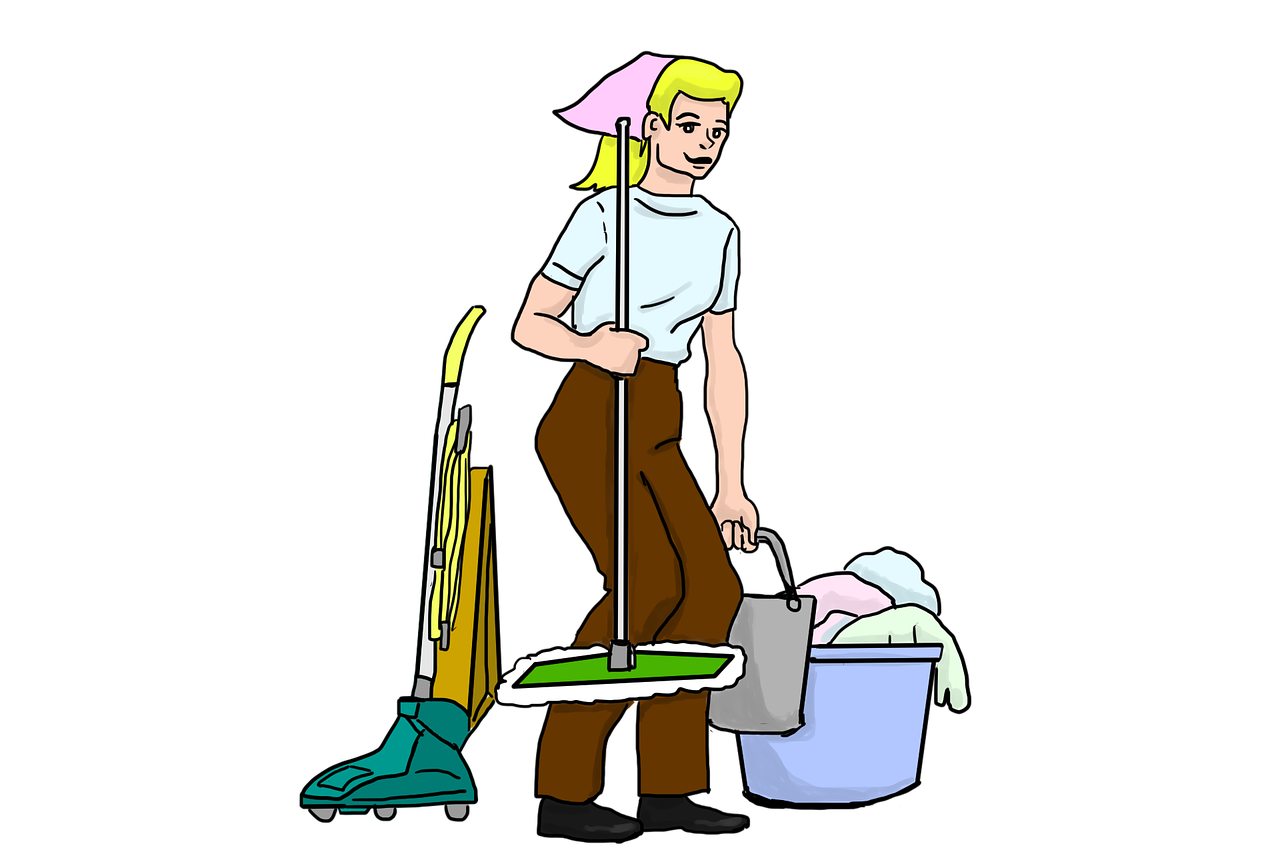
Common responsibility stressors
Let's be sure NOT to rule out these responsibility stressors that are so everyday and in our face that we pay no attention to them—other than to be agitated, annoyed, frustrated, hassled, and even stressed by them to the max.
And, we allow it to be okay to be stressed to the max without recognizing how stressed we actually are—it just feels normal—so there's no way to realize the serious damage to our physical and psychological well-being that they are inflicting upon us.
Would you agree?
These unnoticed common responsibility stressors are as follows and this list in no way represents everyone of them—who would even guess that these common daily chores would be stressing us out?
Things like—
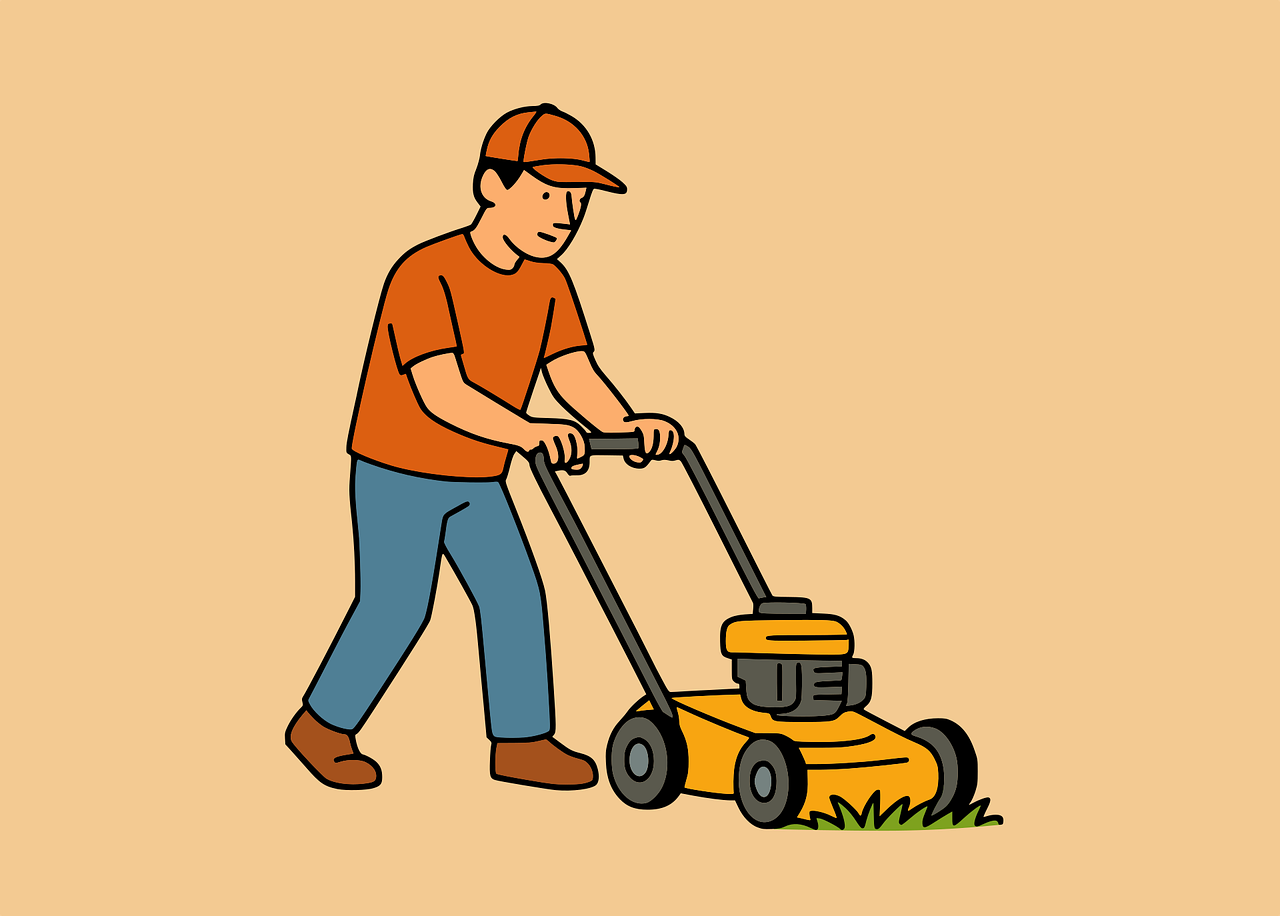
Common responsibility stressors
And a few more—
Reflection Exercise
Become aware of your hidden stressors—
Take a moment to reflect on the list above.
Did any of these everyday responsibilities surprise you as potential sources of stress?
If so, check the ones that surprised you.
Have you been unknowingly allowing them to drain your energy and contribute to chronic stress?
Step 1—Identify Your Hidden Stressors
- Review the list again and note which tasks you’ve never considered stressful before.
- Add at least three more everyday responsibilities that often leave you feeling agitated, frustrated, or overwhelmed.
Step 2—Recognize How Stress Builds
For each stressor you identify, ask yourself:
- How do I typically react when doing this task?
- Do I feel rushed, irritated, or mentally exhausted by it?
- What thoughts or habits might be making it feel more stressful than it needs to be?
Write your insights in your Course Journal to start seeing patterns in your daily stressors.
Step 3—Train Your Brain to Avoid Stress Before It Starts
Now, let’s shift gears and explore how you can prevent these tasks from becoming stress triggers in the first place.

Opportunity
Write down at least one new approach you can practice this week to change your response and observe how changing your response impacts your stress levels in your Course Journal.
Change and Stress
Even though change of any kind is often uncomfortable—there’s a scientific reason for that.
The following will explain any possible discomfort you might observe as a result of changing your response—

In 1936, scientist Hans Selye introduced the concept that stress is the body’s non-specific response to any demand for change—whether good or bad.
That is a profound concept since change is all there is—it is always occurring.
While Hans Selye’s classic definition of stress as the body’s response to “any demand for change” has shaped modern understanding, neuroscience now shows us that it’s not the demand itself—it's the brain’s resistance to change—that triggers stress.
The brain seeks safety in the familiar and interprets even positive change as a potential threat.
It's a catch-22—change increases stress and resisting change increases stress.
And yet, here’s the good news—as you continue through this course, you’ll learn how to rewire your brain’s automatic stress responses, build stress avoidance at the root level, and develop something most people never even think about—self-dependent esteem.
That’s the kind of inner stability that isn’t shaken by life’s constant changes.
Change is a catch-22
In the modules ahead, you’ll discover how the brain works, why some people resist change and others don't, and most importantly, how to avoid stress before it even starts—not just cope with it once it shows up.
So let's not wait until you get to the modules ahead to start making change work for you instead of against you.
Let’s get a head start now with some simple techniques that will help you avoid triggering chronic stress when faced with change or perceived threats of change.
Reflection Exercise
Techniques to Avoid Chronic Stress from Your Imaginary Tiger Stressors
When change feels overwhelming or a perceived threat looms large, these simple techniques can have profound effects that help you avoid triggering that chronic stress response:
- Go With the Flow
Instead of resisting change, take a deep breath and let go of the urge to fight against it. Remember: "What you resist, persists" and resisting change often gives it more power in your mind. - Stop Pushing the River Upstream
Accept that change is a natural part of life. By “going with the flow,” you signal your brain that it doesn’t need to activate the chronic stress response. - Find the Good in Change
Even if it feels impossible at first, do your best to identify a positive aspect of the change. For example, if you lose material possessions in a disaster, remind yourself that your life is the most valuable asset. - Positive Self-Talk
Use affirmations like, “I can do this. It’s all good.” Speak these words out loud so that your brain hears them and internalizes a new, positive default response.
Key Takeaway
"What you resist persists" —and usually grows bigger.
Shifting your mindset to accept change diminishes its power over you.
And now, before going any further, I am going to tell you what is considered to be the #1 stressor in our society right now—even though according to neuroscience there is one bigger than this.
Drum roll, please!!!

According to The American Psychological Association (APA), here is the #1 stressor among all people…everywhere!
MONEY is the top cause of stress in the United States.
That's probably no real surprise for many of you.
The APA further states that financial concerns have been the #1 source of stress for the 6th year running!
And without doubt, this #1 stressor could cause both a REAL Tiger and an "IMAGINARY Tiger" "fight-flight-freeze" stress response.
Furthermore—
Arianna Huffington’s Thrive Global survey found that a staggering 90% of Americans report that financial considerations impact their stress levels.
Could this possibly be the reason why financial costs related to stress receive the greatest attention over every other true cost of stress?
I think we know the answer to that, right?
The Hidden True Costs of Financial Stress
Long-term financial stress doesn’t just affect your wallet.

True cost of stress
Stress related to finances has been linked to a general feeling of sickness and may take a toll on your physical and mental health, leading to increased blood pressure, upset stomach, insomnia, depression, anxiety, and even chest pain.
Signs of the True Cost of Financial Stress May Include—
Can you relate to any of these?
If so, let's continue to another sneak peak at more neuroscience-based strategies to help you—
Avoid the True Cost of Money-Related Stress
1. Shifting from Fear to Strategy
- Stress Mechanism—Financial uncertainty triggers survival-based fears, activating chronic "fight-flight-freeze" stress responses.
- Application—Rethink financial concerns as solvable rather than overwhelming threats.
- Example—Instead of ruminating on debt, start take little steps wherever possible to create a small, actionable budget adjustment plan and celebrate minor wins like saving $10—or even $1.
2. Practicing Gratitude
- Why It Works—Gratitude shifts focus from scarcity to abundance, reducing stress signals.
- Action—Reflect daily on positive non-monetary assets (e.g., skills, relationships, opportunities).
- Example—Think, “Even though I have financial uncertainties, I am grateful for this course that is teaching me how to retrain my brain to attract financial good to me.”
3. Strengthening a Sense of Control
- Neuroplasticity Strategy—Use affirmations like, “I have the ability to find solutions, even now.”
- Action—Visualize a positive financial future, reinforcing your brain's neural pathways of having plenty of money in your wallet.
- Example—Imagine achieving financial stability while keeping your focus on the small "baby" steps leading there.
And yes! There are true costs from the impact of several other major stressors in our world today...
True Cost of Additional Major Stressors in Today’s World
While financial concerns top the list of stressors for many—today’s world presents additional, interconnected stressors that trigger chronic stress responses—and for some, these are even greater true cost sources of stress.
Let's take a look—
One example is homelessness—a rapidly growing crisis that extends beyond financial instability and into a true cost deep sense of uncertainty, fear, and survival stress.
Another major stressor is the political environment— which can create true cost feelings of division, powerlessness, and constant anxiety due to media overload and global instability.

True cost of uncertainty and survival
So let's take a look at how we can apply neuroplasticity and positive thinking to shift our response from just the true costs of financial stress to include homelessness, political fears, and other overwhelming societal situations?
These stressors, though complex and systemic, can also be approached with neuroscience-driven strategies to avoid stress and maintain calm in uncertain situations.
Let's look at how to apply neuroplasticity to the true costs of homelessness first—
Homelessness—People Without Homes
Maintain Your Calm and Positivity
- Stress Mechanism—Homelessness often creates a true cost sense of hopelessness, amplifying chronic stress responses.
- Application—Teach your brain to recognize even the smallest possibilities for change by focusing on one potential solution...this can lead to others.
- Example—Practice self-talk like, “This is a temporary situation, and not a reflection of who I am. I am taking one small step at a time to improve it.”

Survival
Rethink Your Identity
- Why It Works—The true cost of stress worsens when you internalize your situation as a reflection of your worth.
- Action—Recognize and affirm that your personal value and self-worth is separate from your circumstances.
- Example—Reflect on achievements (big or small) and think, “I am resourceful and capable, even in this situation.” and "I have value with or without a home."
Build Your Mini-Goals
- Neuroplasticity Strategy—Break overwhelming concerns into smaller, bite-size, achievable steps (e.g., gaining support from a friend or relative or even someone who engages in supporting individuals without homes, securing temporary housing, finding job resources).
- Example—Focus on finding one meal, one job lead, or one supportive contact at a time, reinforcing progress.
Political Environment Stressors—The 2024 ELECTION Cycle

Voting booths
Focus on What You Can Influence
- Stress Mechanism—The true cost feeling of powerless in the face of global or political issues triggers chronic stress.
- Application—Direct your mental energy toward areas where you can make a difference—for example—voting, advocacy, community involvement, or simply thinking positive thoughts about the outcomes).
- Example—Replace thoughts like, “The world is out of control,” with “I am part of the solution by taking action where I can and thinking positive thoughts.”
Practice Managing Your News Exposure
- Why It Works—Overexposure to negative news activates the brain’s stress response.
- Action—Set boundaries for news consumption and focus on constructive content.
- Example—Limit daily news intake to 15 minutes (or less) and follow it with an uplifting activity like reading about positive change-makers (or watching a funny/sports program).
- And here's my personal favorite example—Spending time in nature whenever possible helps our ability to shift from fear and stress to calm and inner peace. Take time to even hug a tree and absorb its powerful energy to stay focused on the tree's energy and avoid stress.
Build a Future-Focused Mindset
- Neuroplasticity Strategy—Visualize a better future and reinforce beliefs by thinking positive thoughts about what it will be like.
- Example—Join local initiatives to create positive change and shift your focus from fear to action. If you are not inclined to join local initiatives, create your own way to be a positive change-maker. You could even be a positive change-maker in nature by planting a tree.
General Strategies to Offset the Impact and True Cost of All Stressors
1. Strengthen Your Internal Resources
- Mindfulness—Helps the brain detach from true cost spiraling fears and focus on the present moment. By the way, it may be helpful to you to know that mindfulness in it's basic form is simply thinking about your thinking. I know you can do this with a little bit of practice. Simply consistently ask yourself, "What am I thinking?" You might even surprise yourself.
- Gratitude Practices—Being grateful teaches your brain to notice good things like opportunities instead of obstacles. Focusing on just one opportunity to be grateful for at a time, no matter how big or small, works wonders.

Take your power back
2. Seek Social Support
- Why It Works—Connecting with others provides a sense of safety and shared resources.
- Action—Build a support network, no matter how big or small, of one or more trustworthy friends, mentors, or community groups.
- Example—Attend local meetups or zoom meetings, if you are comfortable doing so, for financial literacy, advocacy, or housing support. Even reaching out to one trusted person can make a difference.
3. Rethink Your Stressful Beliefs
- Neuroplasticity Strategy—Replace true cost limiting beliefs—for example—“I’ll never escape this” with empowering beliefs—for example—“I’ve overcome situations before, and I can do it again.”
- Example—Shift from “The political climate is terrifying” to “I can make a difference in my own way in my own corner of the world.”
4. Engage in Meaningful Action
- Why It Helps—Purposeful activity can begin to retrain your brain to regain control rather than feeling the impact of powerlessness.
- Action—Volunteer, join advocacy groups, or take small, consistent steps toward positive change in your own corner of the world.
- Example—Help distribute meals in a shelter or educate others about voting rights. Or, simply smile at a person you pass on the sidewalk or in the grocery store aisle.
It's all good.
Reflection Exercise
Strengthening Your Stress Avoidance
Before moving forward—take a few moments to reflect on what you’ve just learned about financial, homelessness, and political environment stressors.
These situations can feel overwhelming, however by applying neuroplasticity strategies, rethinking negative thought patterns, and focusing on something positive instead, you can experience calm and avoid stress.
Take a deep breath and consider the following questions:
- Personal Awareness
- Which of these stressors—financial worries, homelessness concerns, or political anxiety—feels most relevant to you or those around you?
- How has the impact of these stressors affected your mindset, emotions, or daily life?
- Shifting Perspectives
- What is one way you can rethink your response to a stressor true cost that feels overwhelming?
- How can you use gratitude, mindfulness (thinking about your thinking), or positive self-talk to shift your focus toward stress avoidance?
- And why not include a little something that is fun for you while you shift your perspective?
- Practice having a great big belly laugh—sometimes, due to stress, we forget to even smile let alone laugh. Both are extremely self-empowering and retraining the brain friendly.
- Action-Oriented Thinking
- What small, meaningful action can you take to strengthen your calm focus in the face of uncertainty?
- How can you use your skills, knowledge, or community connections to make a positive impact—whether in your own life or in the world around you?
Write your responses in your Course Journal.
The goal isn’t to resolve every bit of true cost from stressors all at once, instead it's to recognize your inner power and how you can use it to support your ability to eliminate all true cost and avoid stress as you move forward.
And now we're going deeper and deeper into the Impact and True Cost of Stress—
Workplace Stress and Its True Cost Consequences
Now, as we shift to workplace stress—just as financial struggles, housing instability, and political uncertainties contribute to daily stress, the workplace remains one of the most significant and persistent true cost sources of stress in modern life.
Unlike societal concerns, workplace stress directly impacts daily mental and physical well-being, shaping how individuals function, interact, and see their self-worth.

Workplace stress

Rewire brain neural pathways
Whether it’s high job demands, difficult colleagues, unrealistic expectations, or fear of job loss, workplace stress can have long-term effects on health, productivity, and overall life satisfaction.
Just as we’ve explored how neuroscience and mindset shifts can help reduce financial, housing, and political stress, similar strategies can also be applied to avoid workplace stress entirely—not just manage it.
Let's uncover how workplace stress develops, why it’s so pervasive, and how you can rewire your brain to create a healthier, more sustainable approach to work.
Whether you are an employer or an employee, working part-time or full-time, this is too important to miss—
Workplace stress is a too often overlooked, common form of stress that affects many people.
Recent studies highlight the staggering impact of workplace stress. Nearly half of American and Canadian workers experience it daily, and burnout rates continue to climb across industries.
Beyond mental health, workplace stress also takes a serious toll on physical well-being, contributing to weight gain, strained relationships, and even increased mortality rates.
Who would have thought about these serious tolls on physical health being a true cost of stress?
If you're someone who easily gets bored by research and statistics, that's perfectly fine!
While we include them for those who relish the details, you’re free to skip over them.
You can click here to go immediately to "The Monday Morning Phenomenon" and keep moving forward without missing a beat.
Prevalence of Workplace Stress
According to a February 2023 study by The American Institute of Stress, 83% of U.S. workers experience work-related stress, with 25% identifying their job as the primary stressor in their lives. stress.org
Burnout Rates in the Workplace
The National Alliance on Mental Illness (NAMI) reports that 52% of employees felt burned out in the past year due to their jobs.
Notably, both experienced employees and managers report higher burnout rates (54%) compared to entry-level employees (40%). stress.org+1nami.org+1stress.org+1
Employee Burnout
Impact on Physical Health
A study by Headspace Health reveals that 77% of employees say work stress has negatively affected their physical health, with 75% reporting weight gain and 71% indicating it has led to the end of personal relationships. organizations.headspace.com
Workplace Stress-Related Mortality
The Occupational Safety and Health Administration (OSHA) reports that workplace stress contributes to approximately 120,000 deaths annually in the United States. osha.gov
Global Economic Impact

Workplace depression and anxiety
The World Health Organization (WHO) estimates that depression and anxiety, often linked to workplace stress, result in 12 billion lost workdays annually, costing the global economy around $1 trillion. ft.com
This statistic highlights the pervasive nature of the true cost of occupational stress and underscores the importance of addressing how to avoid stress in the workplace, instead of just managing it.
Stress in the workplace can be caused by a variety of factors, including—
And workplace stress is costly to corporate executives, small business owners, and employees alike—
Occupational stress is a global epidemic. according to the United Nations International Labor Organization, stress in the workplace costs $300 billion dollars per year.
Not only can workplace stress can have negative monetary effects on both the employee and the organization, it can lead to other true costs—
With that in mind, what if there was a specific time when workplace stress peaks?
Well, there is.
Research shows that Monday mornings trigger a significant physiological stress response, leading to higher rates of heart attacks and anxiety.
The Monday Morning Phenomenon: Stress and Workplace Health
It is a well-documented observation in Western medicine that a higher number of heart attacks occur between 8:00 AM and 9:00 AM on Monday mornings than at any other time of the week.
This has been extensively studied and is now recognized as the Monday Morning Phenomenon of Heart Attacks and Stress.
The Neuroscience Behind Monday Morning Stress
Have you ever noticed that Monday mornings feel more stressful than any other day?
There’s a scientific reason for that!
Research shows that our bodies react strongly to the transition from the weekend to the workweek, triggering physiological responses that can impact our well-being.
Here's what happens—

Monday Morning Syndrome
1. Cortisol and the Monday Stress Spike
Cortisol, known as the "stress hormone," naturally rises in the morning to help us wake up.
Except on Mondays, it can spike even higher because of anticipatory stress—our body’s reaction to returning to work after a break.
This extra surge of cortisol can increase blood pressure, heart rate, and inflammation, making Mondays a peak time for heart-related issues.
2. The Body’s Stress Systems Out of Balance
Our autonomic nervous system controls automatic functions like heart rate and digestion. Normally, it balances between two modes—
- "Fight-flight-freeze" stress response which kicks in when we feel pressure or danger.
- "Rest and digest" relaxation response which helps us recover and feel calm.
Chronic workplace stress can throw this system off balance, making the true cost of Monday mornings feel like a shock to the system.
This imbalance may explain why research has found an increase in heart attacks at the start of the workweek.
3. How Your Brain Reinforces Monday Stress
Our brains are wired to adapt based on repeated experiences—a process called neuroplasticity.
If we associate work with stress, our brains strengthen the pathways that trigger anxiety and dread, making Mondays feel even more stressful over time.
On the other hand—just as the brain can reinforce stress—it can also retrain itself with healthier patterns.
Strategies like mindfulness, shifting from negative to positive thoughts, and setting better work-life boundaries can help rewire the brain for a more positive start to the week.
The Science Backs It Up
High-trust workplaces reduce stress—Employees in companies with strong trust cultures report 74% lower stress levels. (Harvard Business Review)
By understanding the impact of these stress responses and brain-friendly strategies to avoid stress—you can start your Mondays feeling less overwhelmed and greater inner calm.
And as if that isn't enough of a true cost from chronic workplace stress responses, there's even more...
The Ripple Effect of Workplace Stress
Workplace stress doesn't just stay at work—it spills over into personal life and vice versa.
When Work Follows You Home
Workplace stress doesn’t clock out when your shift ends.
It can follow you home—impacting your sleep, relationships, patience with loved ones, and even your ability to relax.
Over time, that constant carryover can train your brain to stay in stress mode, even during your off hours.
Learning how to avoid stress at work doesn’t just make work better—it makes life better.

When work follows you home
Chronic exposure to workplace stress can lead to the true costs of both physical and psychological symptoms, including:
Physical and Psychological Signs of Workplace Stress
And there's more—
Workplace Consequences of Stress
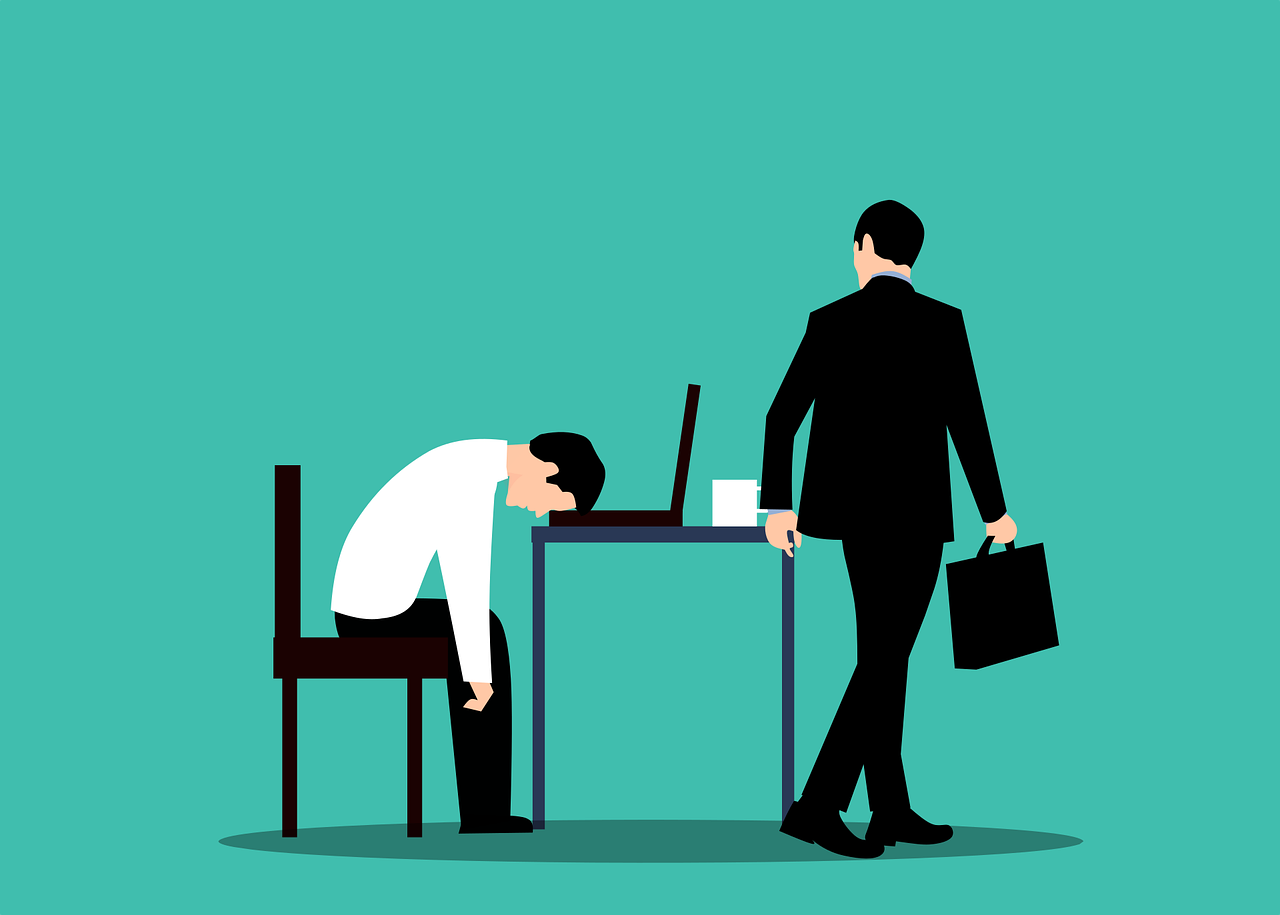
Workplace consequences of stress
Given these profound true cost effects, the question isn’t just how to manage stress—it's how to avoid it altogether.
Make The Shift to Avoiding Stress
Take a look this simple version of stress-avoidance techniques.
It's going to be easier to implement them than you might think.
Here is the simplified version—
- Eliminating toxic relationships that create emotional strain.
- Setting boundaries to prevent overwhelming commitments.
- Simplifying daily life by reducing unnecessary obligations and clutter.
- Improving time management to avoid last-minute pressures and deadlines.
- Choosing a workplace that promotes peace not constant stimulation, pressure, and chaos.
OR
Here are key strategies references rooted in neuroscience for avoiding workplace stress before it takes a toll—
If you're someone who easily gets bored by research and statistics, that's perfectly fine!
While we include them for those who relish the details, you’re free to skip over them.
You can click here to go immediately to "How to Stop Workplace Stress based on neuroscience, neuroplasticity, and self-dependent esteem" and keep moving forward without missing a beat.
Eliminate toxic interactions
Research indicates that negative social interactions activate the brain’s threat response, increasing cortisol levels and reducing activity in the prefrontal cortex, which is critical for decision-making and self-control (Eisenberger & Lieberman, 2004). Limiting exposure to toxic colleagues, setting firm boundaries, and choosing positive professional environments prevents unnecessary stress activation.
Prioritize simplicity and efficiency
Cognitive overload increases stress and impairs the brain’s ability to function optimally. Avoiding overcommitment, automating routine tasks, and simplifying workflows can prevent excessive cognitive strain (Miller & Cohen, 2001).
Maintain structured downtime
Neuroscience reveals that continuous engagement in stressful tasks keeps the amygdala overactive, reinforcing stress patterns in the brain. Regular breaks and non-work-related activities reset neural pathways, preventing chronic stress accumulation (Tang et al., 2015).
Optimize time and task selection
Avoiding high-pressure, last-minute work cycles is key to protecting brain health.
Time blocking, scheduling buffer periods, and focusing on one task at a time help prevent unnecessary stress responses and improve cognitive performance.
A recent guide on managing deadline stress highlights that procrastination and last-minute rushes—what they call “deadline stress”—trigger our fight-flight-freeze stress response.
Creating realistic timelines, breaking tasks into smaller chunks, and adding buffer periods between activities helps prevent this stress response and improves performance.
Choose low-stress environments
External stimuli significantly influence the brain’s stress response. Exposure to calm, structured, and supportive work settings minimizes unnecessary activation of the brain’s stress circuitry, promoting long-term resilience (Davidson & McEwen, 2012).
By intentionally structuring life to avoid stress—you can protect your brain from stress-induced changes, maintain cognitive sharpness, and cultivate a work-life experience that supports long-term well-being.
How to Retrain Your Brain to Stop Workplace Stress
Here's what you've been patiently and stress-free waiting for— another sneak-peak at retraining your brain based on neuroscience, neuroplasticity, and self-dependent esteem...
1. Shift Your Perspective on Stress
Instead of seeing stress as an inevitable part of work, recognize that it’s often a "learned" stress response.
You can train your brain to react differently by understanding that most workplace stress is not about real survival threats.
Step-by-step guidance about how to retrain your brain coming up in Module 5.
2. Build Self-Dependent Esteem
Your value is not based on your job title, performance, or others' opinions.
Recognize that you are already enough, whether you land the big deal or not.
This mindset shift reduces the pressure to constantly prove yourself (More step-by-step how-to guidance for doing this in Module 6).
3. Take Control of Your Internal Narrative
Your brain follows the stories you tell yourself about yourself, others, and the world.
Replace self-defeating thoughts like, "I can’t handle this" with empowering ones like, "I have the ability to figure this out."
This rewires your brain to respond rather than react to stress.
4. Break the “Stress-Reaction” Habit
Neuroscience shows that stress is often a habitual brain pattern.
There is an in-depth understanding about how to change this in Module 4.
When you feel tension rising, pause and ask:
· "Is this an actual emergency or just my brain's automatic reaction?"
· "How would I handle this if I knew my worth (or my job) wasn't at stake?"
This helps rewire the brain’s stress response.
5. Reframe Workplace Threats as Growth Opportunities
Your brain is wired to grow through unsolved threats.
Instead of seeing a deadline as a threat, view it as a chance to strengthen your skills.
This perspective reduces stress response cortisol levels and increases situation-solving ability.

Workplace growth opportunities
6. Prioritize Recovery & Reset
Stress builds when there’s no reset.
Schedule mental “reset” breaks just like you would for meetings or other matters of importance.
Even two minutes of deep breathing can shift your nervous system from stress mode of "fight-flight-freeze" to calm mode of rest-and-digest.
7. Set Boundaries Without Guilt
Workplace stress often comes from feeling obligated to say "yes" to everyone and everything.
Train your brain to prioritize what truly matters by setting win-win boundaries.
Example—
“I can’t take that on right now, however, I can revisit it next week.”
"I need 24 hours to consider how to best approach this."
8. Ditch the “Perfectionism Trap”
Neuroscience shows that perfectionism activates the brain’s stress centers.
Instead of striving for "flawless"—aim for progress.
Ask yourself—
· "Is this good enough to move forward?"
· "Would I expect someone else to do this perfectly?"

9. Strengthen Your Brain’s Focus with Gratitude
Gratitude shifts the brain’s focus from stress to strength.
Each day, write down one thing that went right at work in your Course Journal.
This trains your brain to recognize success instead of stress.
10. Remember—You Are in Control of How You Experience Work
The workplace doesn’t control your stress—you do.
By changing your thoughts, responses, and habits, you can rewire your brain for calm and stress avoidance.
Reflection Exercise
- Which of these tips resonates most with you as an employee? Why does it stand out to you?
- Have you experienced a situation where this tip could have helped you avoid your workplace stress? If so, describe how you might apply it in a similar situation in the future.
- What small action can you take today to integrate this tip into your daily work routine?
Write your responses and insights in your Course Journal for future reference to avoid stress.
And now, who knew this about multitasking—
A study from the Institute of Psychiatry at King's College London, notes that multitasking can be more detrimental to cognitive function than smoking marijuana.
It explains that multitasking impairs short-term memory and concentration, leaving the brain in an impaired state. Dr Adam Fraser+1The Fresh Toast+1
Let's take a look at the stress response impact of multitasking—
From Everyday Workplace Stress to Multitasking Overload—The True Costs
We often pride ourselves on being able to juggle multiple things at once, believing it makes us more productive.
And to the contrary—neuroscience tells us the opposite.
Our brains are NOT built to multitask effectively.

Multitasking
Instead of increasing efficiency, multitasking—
- Increases mental fatigue—Switching between tasks forces the brain to work harder, draining energy faster.
- Reduces focus and memory—Every time we switch, we lose momentum, making it harder to retain information and make sound decisions.
- Heightens stress and anxiety—The constant demand to do more in less time puts the nervous system on high alert, keeping us in a state of chronic stress.
We already know about many of the true costs related to chronic stress, so let's take a look at—
Actionable strategies to reduce workplace multitasking stress—backed by neuroscience
1. Prioritize Single-Tasking
Single-tasking
Neuroscience Insight—Studies show that focusing on one task at a time improves efficiency and reduces cognitive fatigue.
The brain’s prefrontal cortex functions best when it concentrates on a single task rather than switching between multiple ones.
Action Step—
- Use the Pomodoro Technique—a time management method that helps you stay focused, avoid burnout, and get more done!
Here's how it works—
2. Use Task Batching
Neuroscience Insight—Grouping similar tasks together minimizes cognitive switching costs.
The brain processes related tasks more efficiently when done in sequence rather than jumping between different types of work.
Action Step—
- Set specific times for checking emails, making calls, or handling meetings instead of scattering them throughout the day.
- Group creative tasks (like writing) separately from analytical tasks—like data analysis—to optimize mental energy.
3. Practice Mindfulness & Attention Training
Neuroscience Insight—Research shows that mindfulness strengthens the brain’s ability to stay present and reduces activity in the default mode network (DMN)—which is linked to mind-wandering and stress

Being Mindful
Here's how it works—

Reflecting
The Default Mode Network (DMN) is a part of your brain that becomes active when you're not focused on a task—like when you're daydreaming, reflecting, or letting your mind wander.
It's responsible for—
- Self-reflection—thinking about yourself
- Remembering the past
- Imagining the future
- Worrying or overthinking
When you're engaged in a focused activity, the DMN quiets down.
To the contrary, if it's too active—like during stress or rumination—it can lead to anxiety and overthinking which creates more true costs of the stress response.
In short—the DMN is your brain's "background mode" that kicks in when you're not doing something specific!
Action Step—
- Do a 1-minute deep breathing exercise before switching tasks to reset focus.
- Incorporate daily mindfulness/meditation practice.
- Even 5 minutes of meditation can improve focus and stress avoidance.
Mindfulness can be as simple as thinking about your thinking practice.
4. Leverage Technology for Focus
Neuroscience Insight—Digital distractions activate the brain’s reward system, releasing dopamine and making it harder to resist multitasking.
However, technology can also be used to enhance focus.
Here's how—
Action Step—
· Use apps like Forest or Freedom to block distractions while working.
· Forest—This app helps you stay focused by growing a virtual tree while you work.
If you leave the app to check your phone—the tree dies!
Over time, you build a "forest" of focus sessions.
Freedom—This app blocks distracting websites, social media, and apps on your phone or computer so you can stay productive.
You can schedule focus sessions in advance or start one anytime.
Both apps help you avoid distractions and get more done!
Enable grayscale mode on your phone to make it less visually stimulating and reduce the urge to check it.
Here's how to do it—
For iPhone (iOS)
1. Go to Settings > Accessibility.
2. Tap Display & Text Size.
3. Select Color Filters and turn it ON.
4. Choose Grayscale.
For Android
1. Go to  Settings > Digital Wellbeing & Parental Controls.
2. Tap Bedtime Mode or Focus Mode (depending on your phone).
3. Look for Grayscale and enable it.
Now—your screen will be in black and white—helping you reduce screen time and stay focused!
5. Set Boundaries & Manage Expectations
Neuroscience Insight—Studies show that people who constantly feel the pressure to multitask experience higher levels of stress and burnout.
Learning to set boundaries helps maintain a healthier thought load.
Action Step—
- Communicate with colleagues about your focused work periods.
- Set realistic deadlines and say no to unnecessary commitments that overload your brain.
- If saying no causes you stress, practice saying no with these simple and polite ways to set boundaries—
These responses are kind and yet firm—there is no need to justify and over-explain why.
By implementing these strategies—you can rewire your brain for better focus, efficiency, and avoid the true costs of stress—leading to greater productivity without burnout.
Understanding the neuroscience behind workplace stress provides a powerful starting point for breaking the cycle and improving well-being.
For more exacting prevalent workplace stressors and how to avoid them check our online course tailored specifically for workplace executives, management staff, and employees.
Stop the Stress in the Workplace
Here's an important question—have you ever thought about multitasking this way?
The True Cost of Multitasking Stress Isn’t Just a Workplace Issue
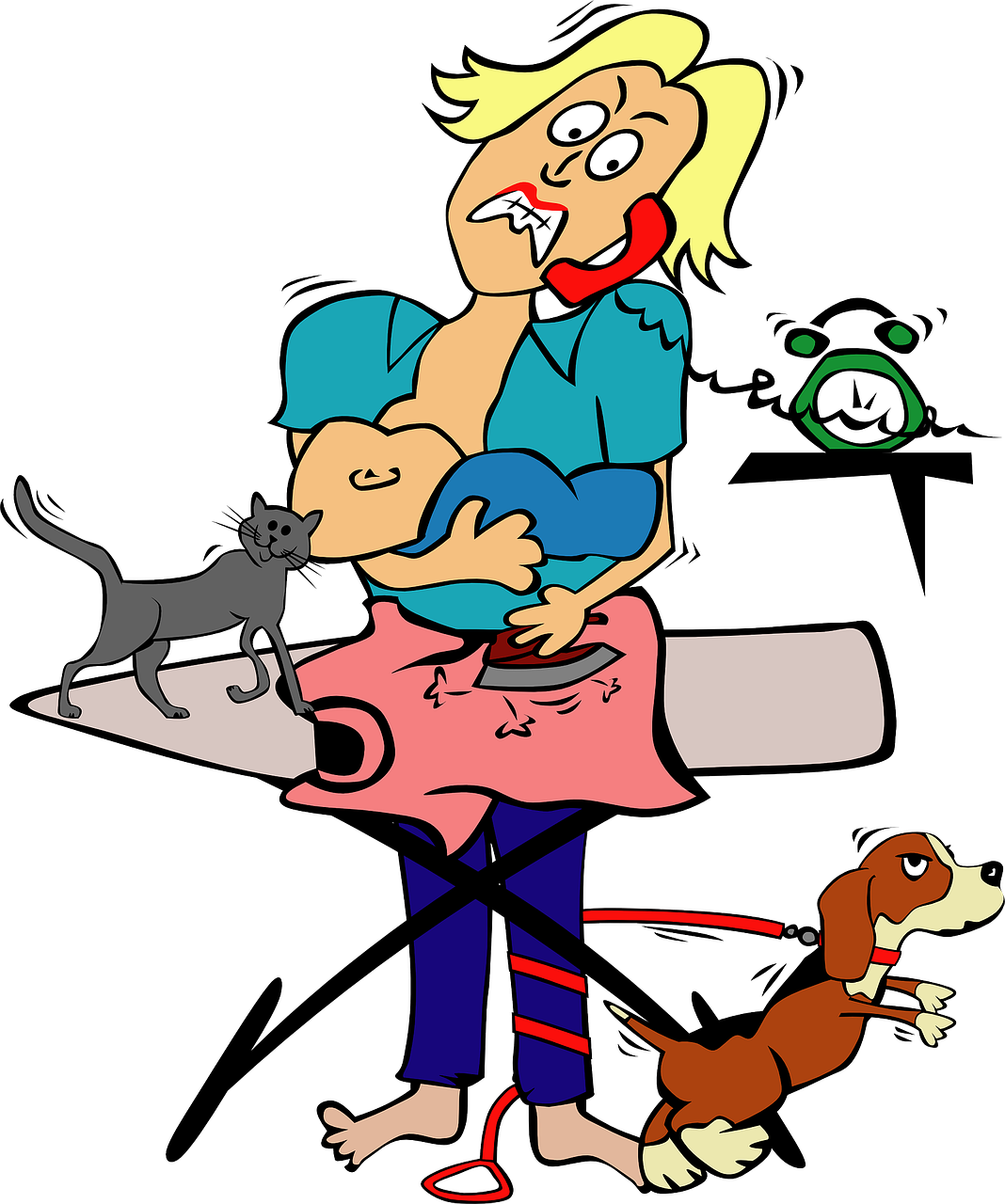
Multitasking stress response
The True Cost of Multitasking Stress affects nearly everyone, everywhere.
In today’s world, one of the biggest all-around hidden stressors is multitasking.
Whether you're balancing work and family, keeping up with social obligations, handling financial pressures, or simply doing your best to keep up with daily responsibilities, multitasking stress has a way of creeping in.
Multitasking and Stress—How Your Brain Works Against You
In a world that rewards constant busyness—multitasking is often seen as a necessary skill.
To the contrary, neuroscience tells a different story—one that reveals multitasking as a direct pathway to the true costs of stress overload.
To avoid the impact of stress rather than just manage it, the first step is to stop forcing your brain to do what it was never designed to do—multitasking.
Why Multitasking Triggers Stress Before You Even Realize It
The brain is not built for multitasking—it’s built for task-switching.
Every time you shift from one task to another, your brain has to pause, reorient, and refocus, which happens so fast that you don’t even notice it.
Yet beneath the surface, your brain is working harder than necessary, and this extra effort leads to:

Multitasking brain
Chronic Stress Response Activation
The constant switching between tasks forces the brain to stay in a state of hyper-alertness, triggering the sympathetic nervous system.
This leads to an increase in cortisol and adrenaline, the same hormones released in a fight-flight-freeze stress response.
Over time, this keeps the body in a stress cycle, even when there is no Real Tiger threat.
Thinking Overload
The prefrontal cortex, responsible for decision-making and focus, becomes overwhelmed when forced to switch between tasks.
This overload makes thinking feel harder, leading to mental fatigue and unnecessary true costs of stress.
Disrupted Brainwave Patterns
Studies show that deep-focus tasks activate alpha brainwaves, which promote relaxation and optimal performance.
However, rapid task-switching forces the brain into high-beta brainwaves, associated with stress, anxiety, and decreased cognitive function...wow talk about some powerful true costs of stress.
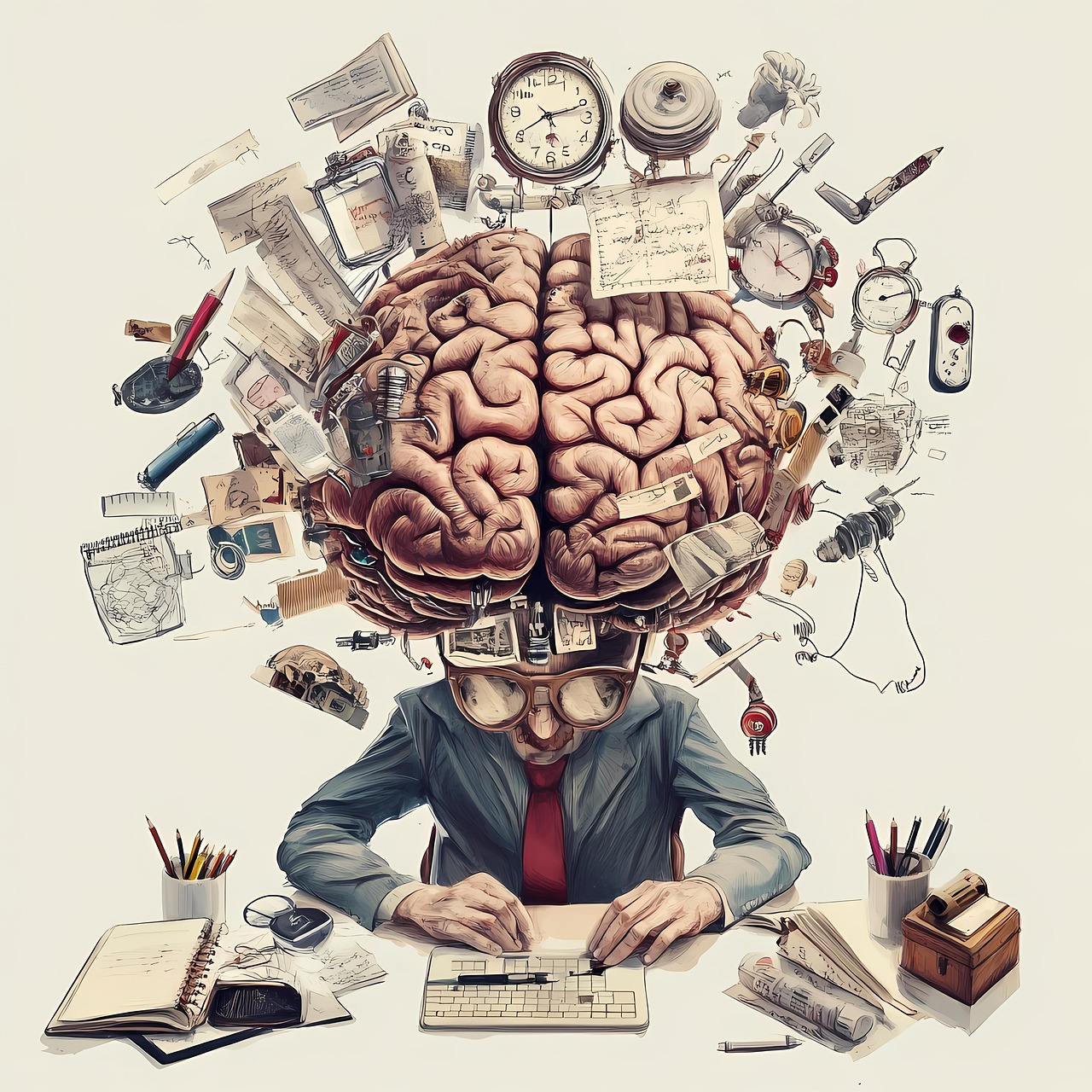
Disrupted Brainwave Patterns
How to Avoid Stress by Working With Your Brain—Not Against It
Since multitasking sets off stress before you even realize it, the best approach is to structure your daily flow in a way that avoids stress in the first place.
By making simple yet powerful changes—you can take control of multitasking stress before it takes control of you—and create a life that’s calmer, healthier, and far easier.
Here’s how to control multitasking stress—
Prioritize Single-Tasking
Train your brain to stay in deep-focus mode by committing to one task at a time.
This allows your nervous system to stay in a calm, balanced state rather than triggering unnecessary stress.
Follow the Brain’s Natural Rhythm
The brain works best in cycles of 90-minute deep focus, followed by short breaks.
Aligning with this rhythm keeps stress levels low while maximizing productivity.
Limit Thought Interruptions
External distractions and constant notifications keep the brain in a reactive, high-alert state.
Creating a controlled environment—such as turning off unnecessary alerts—prevents stress from being triggered.
Engage in Recovery Activities
Neuroscience shows that activities like meditation, deep breathing, and even simply stepping outside can help reset the brain and avoid stress buildup before it takes hold.
By understanding how your brain naturally functions—you can structure your daily habits to avoid stress instead of reacting to it after it has already taken over and done its damage.
Now Who Would Ever Think?
Now, who would ever think about the impact of stress and it's true cost from simply "having a drink"?
Given my credentials as a Certified Addictions Professional, a Licensed Mental Health Counselor, and my experience of founding and operating a Florida-licensed outpatient substance abuse treatment program since 1989—working with over 10,000 individuals—I would be remiss if I did not acknowledge the profound connection between stress and substance use.
The link is undeniable, and understanding it is critical to truly addressing the impact and true cost of stress.

Simply having a drink & stress
The Normalization of Alcohol in Modern Society—The Hidden True Costs of Stress

Detrimental way to unwind with alcohol
One of the most detrimental and socially prevalent ways to unwind after a stressful day in the American culture has normalized "having a drink”.
Substance abuse to include alcohol, legal and illegal drugs, and prescribed medications has become normalized.
There was a time when every town had a "town drunk" and everyone knew who it was—a person whose excessive alcohol use was widely recognized.
Today, the cultural landscape has shifted dramatically.
Alcohol has become so normalized that choosing not to drink can make a person seem like the odd one out.
Social events, work functions, and even self-care routines often revolve around alcohol, reinforcing the idea that drinking is the default response to stress.
And this shift isn’t just about social trends—it reflects a much deeper issue—the normalization of stress itself.

Socializing with alcohol
How Normalized Stress Fuels the Cultural Acceptance of Alcohol

Cultural Acceptance of Alcohol
Modern life is more stressful than ever. Work deadlines, financial pressures, family obligations, and constant digital connectivity create a relentless demand for high performance.
Instead of addressing the root causes of this stress, society has embraced quick, temporary fixes—alcohol being one of the most widely accepted.
Whether it’s “wine to unwind,” “beer to relax,” or “cocktails to take the edge off,” drinking has become a socially sanctioned coping mechanism, making it's effects one of the most dangerous true costs of stress.
The Hidden True Costs of Stress and Alcohol—More Than Just Dollars and Cents
When people think about the cost of stress, they often focus on financial losses—lost productivity, increased healthcare expenses, and absenteeism at work.
To the contrary, the true costs of stress, and the role alcohol plays in it, go far beyond money.

True costs of stress go beyond money
Physical Health Costs
Chronic stress and alcohol use are a dangerous combination.
Alcohol initially suppresses stress hormones, and then over time, it actually increases cortisol levels, leading to inflammation, weakened immunity, and higher risks of heart disease, stroke, and other health issues.
Mental and Emotional Costs
Alcohol may provide short-term relief, however it disrupts brain chemistry in ways that worsen anxiety, depression, and emotional resilience.
It numbs discomfort temporarily, making it harder for people to develop stress avoidance skills.
Relationship Costs
Stress and alcohol use often take a toll on personal relationships.
Drinking to cope can lead to misunderstandings, emotional distance and unavailability, or even conflict with loved ones.
When alcohol becomes a crutch— genuine connection and emotional support can suffer.
Time Costs
People often say they drink to “unwind” or “relax,” even though alcohol can rob them of something even more valuable than money—time.
Hangovers, fatigue, and poor sleep quality take away precious hours that could be spent on meaningful activities, personal growth, or simply feeling present in life.
Thinking Costs
Alcohol affects memory, focus, and decision-making
When stress leads to frequent drinking, it can dull mental sharpness over time, making it harder to manage circumstances effectively.
By normalizing both stress and alcohol use, society has created a cycle that keeps people stuck—stressed out, reaching for temporary relief, and ultimately increasing their true cost of chronic stress even more.
And there are plenty of recent studies that have highlighted a concerning rise in substance use, with stress identified as a significant contributing factor.
Recent data indicates notable increase in substance use:

Rise in substance use
General Population
Approximately 13.5% of Americans aged 12 and over reported drug use in the last month, marking a 3.8% year-over-year increase. NCDAS
Adolescents
While alcohol use remained stable among eighth graders, there was a decline among 10th and 12th graders. Cannabis use remained stable for younger grades but declined among 12th graders. National Institutes of Health (NIH)+1National Institute on Drug Abuse+1
And there's more...
Nearly 1 in 5 Americans report “heavy drinking” of alcohol to cope with pandemic stress according to USA TODAY.
According to Drinkaware, around 60% of adults in the UK drink alcoholic beverages to escape stressful events.
Dr. Oz even reported during a CNN Piers Morgan Interview in 2012 that the value of alcohol is to get rid of stress. (May 18, 2012)
The true cost of stress is evident in the staggering toll it takes—
More than 140,000 people die from alcohol-related causes each year, according to the National Institute on Alcohol Abuse and Alcoholism.
Alcohol has become the perfect go-to remedy for stress relief—
Society has normalized it, especially during and after the COVID experience when liquor store sales from March to September 2020 were $4l.9 billion representing an increase of 20% for the same period in 2019 according to Columbia University Public Health.
Even Neuroscience has something, in fact a lot, to say about substance use—
Stress plays a pivotal role in the initiation and escalation of substance use: ScienceDirect+10Frontiers+10PMC+10
Neuroscience Links Stress to Substance Use
Brain Reward Circuitry
Both stress and drug use induce overlapping alterations in the brain's reward system, leading to downregulation or deficits.
This results in increased sensitivity to the rewarding properties of drugs, making individuals more susceptible to substance use as a coping mechanism. PMC
Coping Mechanism
Chronic stress can lead individuals to use substances as a means to self-medicate, reduce tension, or alleviate withdrawal-related distress.
This behavior is reinforced over time, increasing the risk of developing substance use disorders. PMC
Here's what too few people understand about alcohol use—
Even though alcohol is officially considered a depressant, it provides the illusion of feeling better, even happy, and reducing stress.
The first sip of alcohol numbs the frontal lobe of the brain in just 30 seconds after taking the first sip.
YES! That’s fast relief from a stressful day!
If only a healthy relief mechanism worked that fast!
And then! Without notice the “happy” relief ends.
In fact, the "happy relief" lasts for only one (1) hour!
Have you ever heard of “Happy Hour?”
Who knew!

AND—there is no amount of alcohol that will bring that “Happy Hour” feeling back.
Plus, when it ends, the depressive effect of alcohol sets in and leads to more chronic stress in the long-term.
People who depend upon alcohol, drugs, and prescribed medications to manage their stress increase their risk of substance use disorders, associated health complications, and early death.

Health complications
How the Brain Reacts to Alcohol and Other Substances
Understanding how alcohol has become a widely accepted stress response is key to recognizing its deeper impact.
In the next module, we’ll explore exactly what happens in the brain when alcohol and other substances enter the system.
We’ll break down how they takeover the brain's neural pathways, alter brain chemistry, and ultimately make people more vulnerable to stress rather than relieving it.
And by the way, there is an upside—neuroscience and neuroplasticity reveal that the brain is adaptable. Stress is NOT something we just have to manage—it’s something we can learn to avoid altogether.
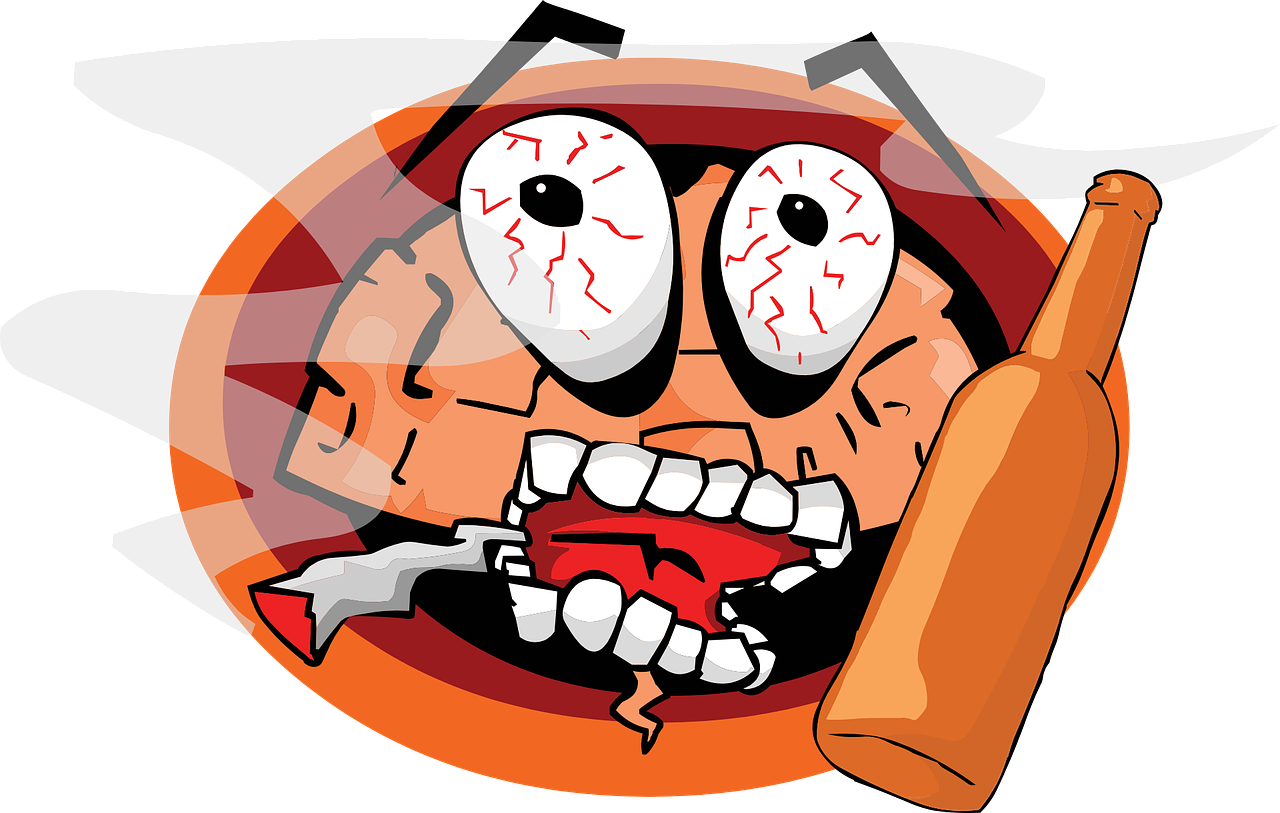
Brain altered by alcohol & drugs
By understanding how the brain truly works, we can rewire old brain patterns to avoid stress, and create a life where alcohol and other temporary coping mechanisms are no longer necessary.
Summary Wrap-Up
By using neuroscience-based stress avoidance strategies, you can create a stress-avoidance mindset that transforms the true costs of financial, social, and political stressors into opportunities for calm and inner peace.
These strategies enable people to approach life situations with positive action, optimism, and dignity, while avoiding stress.
The damage of chronic stress is undeniable, both in financial and personal terms. By making conscious choices to avoid stress, individuals can protect their physical health, mental well-being, and overall quality of life—and their wallets.
Transitioning into Module 3—The Brain and Stress
Now that we’ve uncovered the Impact of Stress and its true costs, the next step is understanding what stress actually does to the brain and how the brain handles it.
In Module 3—we’ll explore how stress reshapes neural pathways, why stress, itself, becomes addictive, and how we can reverse its impact.