

What to do in Module 1
Keep only a soft bridge sentence, not the full section.
Example (one sentence only):
This is why learning to prevent stress matters—because managing it after the fact doesn’t teach the brain how to stay steady before damage begins.
That’s it.
No “life and death” yet. No examples. No weight.
Quality content left over” — what’s worth saving?
There is still gold — but it needs to be re-homed, not stuffed into Module 1.
Here’s how to think about it:
| Type of Content | Where it belongs |
|---|---|
| Brain chemistry details | Module 3–4 |
| Stress normalization history | Module 2 |
| Identity / esteem insights | Module 6 |
| Emotional storytelling | Individual course / documentary |
| Skill-building tools | Modules 4–6 |
Module 1 should point forward, not deliver everything.
(Costs & Normalization)
That’s where it lands logically and emotionally.
If you want ONE sentence in Module 1, this is the most it should be:
“Because modern work constantly signals pressure, stress has become so common that many people mistake it for normal—even when it isn’t healthy.”
That’s it. No more.
*****Version 2 DO NOT USE*****
You—like most people—spend a large part of your life at work.
Regardless of your position—executive, team leader, or front-line—and no matter your setting—office, field, manufacturing, home, on the road, or even traveling the world—stress has a way of creeping into the workday.
It drains focus, depletes energy, and over time, can harm your health.

Welcome to Module 1 — where your shift toward calm, clarity, and steady productivity begins.
This course blends neuroscience with practical, real-workday strategies that you can apply immediately to prevent stress before it interrupts your focus, energy, and health.
And yes—these strategies are simple, doable, and designed for real workplace realities.
This course IS different
You’ll learn how the brain’s built-in stress response works, why it often misfires in today’s fast-moving workplace, and how to retrain it so you stay calm—even when everything feels urgent at once.
You'll also discover why merely managing stress doesn't reverse the damage—and what to do instead.
Why This Course Is Different
Most "fixes" are quick band-aids that don't stick—
- A time-management app.
- A breathing exercise.
- A pep talk to “just push through.”
- Or just bracing for “another stressful day.”
They may help briefly—then the same stress returns.
That’s because most approaches teach you to cope with the damage after stress has already over run your brain and body.
Quick fixes that don't stick
By being here, you’ve already taken your first step toward a calmer, more effective work life.
Once you understand how stress really works in the brain—you’ll see that you have far more power over it than you believed.
You’ve already taken the first step
Your First Wins in Module 1
By the end of this module, you will begin to—
- Notice early stress cues in your body during the workday
- Understand how workplace stress shows up in your brain—and why
- Use your first simple tool to calm the nervous system in real time at work
- Start to Shift your brain from the Survival Zone toward the Growth Zone—where your best thinking lives
A Quick Reality Check—Stress Is Everywhere—And Often Invisible
Stress is nearly universal and accepted as normal.
It is experienced by almost everyone—adolescents, teenagers, young and middle-aged adults, and even seniors.
It shows up in our day-to-day lives—at work, at home, and even at play.
It’s in the news, social media and email feeds, relationships—and it can even follow you into your sleep.
Yet despite its constant and even invisible presence—we merely do our best to manage it—like patching leaks in a roof that keeps on leaking.
Questioning Stress
We rarely pause to ask—
- Why am I so stressed out at work?
- Does stress help or hurt my decisions and productivity?
- Is it possible to prevent stress entirely—especially at work?
Yes.
Neuroscience and neuroplasticity show you how to prevent stress entirely—especially at work.
Reflection Exercise
Your Practice Stressor
For purposes of moving forward in this course—identify one recurring work stressor that repeatedly causes you stress—the one that follows you into the evening.
It could be a work policy, a disrespectful coworker, comparing your abilities to certain coworkers, a pay rate that doesn't cover your financial obligations, your own unrealistic expectation of your productivity, or anything else that constantly stresses you out.
Write it down in your Course Journal—you’ll revisit it as your “practice stressor” for rewiring your brain throughout the course as you uncover ways to shift from stressing to stress avoidance.
Two Types of Stress—Real Tigers vs. Imaginary Tigers

Tiger hunting for breakfast
Stress isn’t your enemy—it’s a survival system hardwired into your brain over thousands of years.
Picture an ancient ancestor on a path at dawn hunting for breakfast.
A tiger appears—and uh-oh, it’s hunting for its breakfast too.
In a nanosecond, the most ancient and instinctual primitive "reptilian" brain—fires the “fight-flight-freeze” stress response.
In lightning speed it determines
- Can I fight it?
- Can I run away from it?
- Should I freeze and trust it passes by?
This reaction to a real life-threatening danger—the heart races, muscles tense, adrenaline and cortisol flood the body—is a built-in instantaneous response.
That lightning-fast decision by the “fight-flight-freeze” stress response is designed for our survival.

The Primitive Brain
The reptilian brain’s number one priority is OUR SURVIVAL as a person and as a species.
It never takes time off from its job.
It is always on the lookout for life-threatening danger.
And in that moment, it’s a good thing—it could save your life.
Every bit of your energy shifts to immediate survival.
That’s a "Real Tiger" life-threatening danger response—and it's intense and short-term.
When the danger passes, the body returns to its baseline normal.
Back in ancient times, survival depended on the reptilian brain making this call with breakneck speed—so fast you didn’t even have time to think.
Now Fast Forward to Today
Most of us don’t see "Real Tigers" when we start our work day.
And yet your brain still uses the same ancient survival system that once saved the caveman from becoming a tiger’s breakfast—to save us from today’s "tiger" threats.
Tigers in the Workplace Look Different
Every workplace has its own “tigers”—
At work, your “tigers” might look like—
- A machinery hazard or fire alarm—this is today's version of a "Real Tiger."
- Or, more often at work, your “tigers” are "Imaginary Tigers"—
How the Caveman’s "Real Tiger" Stress Became Your "Imaginary Tiger" Workplace Stress—Why Your Brain Reacts the Same Way
Here’s the catch—Your brain triggers the same survival circuits for both—"Real Tigers" and "Imaginary Tigers"
It lights up the same survival circuits whether you’re dodging a "Real Tiger" real threat to your life or reading an "Imaginary Tiger" message that feels like a threat to your career.
With that being said, there is a concerning difference between the two tiger threats—
"Imaginary Tigers" don’t go away as quickly as "Real Tigers."
And here's why—
When a "Real Tiger" fire alarm stops—your stress stops too.
To the contrary—the "Imaginary Tiger" thought of “What if I blow my presentation to a new client?” or “What if my boss thinks my idea is no good?” can keep your stress switch flipped on all day—and way beyond.
Before you know it—you're stressing about how it could cost you your job.
Then your mind quickly leaps ahead—imagining you might lose everything and end up living in a cardboard box under a bridge. And of course, you know exactly which bridge.
This loop of stressful thinking can run on without end for days, even weeks or months.
This is worth repeating—
Your brain reacts to both of these events the exact same way it once reacted to a wild tiger charging at the caveman.
It doesn't know the difference between a "Real Tiger" threat and "Imaginary Tiger" workplace threat—unless you teach it.
Why "Real Tigers" End and "imaginary Tigers Linger Matters at Work
The core difference matters because it affects your work day experience—
A "Real Tiger" is short-term and intense.
Your stress response kicks in quickly, and then it shuts off once the danger passes.
That’s survival in action.
An "Imaginary Tiger" is long-term and exhausting.
An email can keep your stress switch flipped on all day—and night—creating a loop of “what if” thinking that never fully shuts off.
Your body continues to flood with stress hormones, and because the “threat” doesn’t actually end, your system never returns to calm.
That's When Stress Stops Protecting
When stress stops protecting you—it starts to sabotage you.
It narrows your focus, clouds your decision-making, strains your relationships—even with coworkers and management staff, and sometimes silences your best contributions before they’re even heard.
Left unchecked, your unending stressful thoughts can even drive the very behaviors that bring those stressful outcomes to life.
Learning to identify the difference—and separate them—is an important and necessary step toward retraining your brain to stay clear-headed—especially in your workplace.
Key Takeaway
Without training, your brain can’t reliably tell the difference between a "Real Tiger" and an "Imaginary Tiger."
That’s why small stressors can feel overwhelming—and why awareness that leads to brain retraining is essential at work.
Reflection Exercise
Spotting Your Tigers
Step into the past.
Imagine you’re one of our ancient ancestors.
What happens in your body?
Do you feel your heart race, your muscles tense, your breath quicken?
Which survival response would take over—"fight, flight, or freeze?"
That’s a "Real Tiger"—short-term, intense, and over once the danger passes.
Step into the present.Now think about your workplace.
Was it a "Real Tiger" or an "Imaginary Tiger?"
Was I reacting to physical safety, or to possible judgment or rejection?
What could I see differently next time?
Chances are, they were "Imaginary Tigers"—long-term, draining, and harder to switch off.
Capture your insights in your Course Journal.
Now compare the two.
Notice how similar your reactions were in both situations—even though only the ancient real tiger on the path was truly life-threatening.
Your brain can't tell the difference between a "Real Tiger" ancient predator on the path and today's "Imaginary Tiger" workplace threat.
Now, to increase your awareness even further, jot down in your Course Journal—
- One “Real Tiger” you’ve experienced—a true emergency,
- One “Imaginary Tiger” you’ve faced at work.
Then reflect—What might shift for me if I could remind my brain, “This isn’t a "Real Tiger,” the next time stress shows up?
Awareness is the foundation of stress prevention.
Teaching your brain to recognize the difference between a "Real Tiger" and an "Imaginary Tiger" is the leading step toward retraining your brain to remain calm and productive—even when demands pile up at work.
That’s where neuroscience and neuroplasticity come in.
Key Takeaway
The difference between ancient times and today is that neuroscience, neuroplasticity, and cutting-edge brain research show us how to prevent stress—not just manage it—and that’s exactly what you’ll learn in this course.
What the Brain Is Doing—In Brief
The Brain Behind Workplace Stress
Deep inside—your survival system is always scanning for danger.
When it senses a threat, it releases adrenaline and cortisol—chemicals that are life-saving in an emergency and exhausting if they're triggered every time you open your inbox.
Left unchecked—this “fight-flight-freeze” stress response cycle—
- Narrows focus to the negative
- Makes it hard to prioritize or decide
- Wears down memory, mood, and immunity
On the flip side, here's the good news—your brain has plasticity.
It can be retrained.
Every time you catch yourself shifting from panic to calm—you're beginning to wire a new calm neural pathway in your brain.
Over time, those calm neural pathways strengthen and can become your brain's new default.
Your brain’s HPA axis—hypothalamic–pituitary–adrenal system— constantly scans for danger. When it perceives a threat—real or imagined—it flips the switch.
Cortisol and adrenaline surge; breathing quickens; muscles tense; attention narrows.
This is lifesaving in true life-threatening emergencies and exhausting when triggered by inbox pings and performance worries.
The good news? Neuroplasticity.
Every time you shift from panic to calm, you begin to wire a new “calm route” neural pathway in your brain.
With practice—you can experience your first small shift that assures you—calm can become your brain’s default.
A Self-Check
Take a moment to reflect.
Do you notice stress showing up in your sleep, health, or energy?
Have you shown up at work already tired before the day even starts?
Do you feel you are part of the many workers who say work itself is a major source of stress?
Have you lost hours of focus—especially during your workday, due to worry or anxiety?
Jot down what hits home for you in your Course Journal.
Awareness is essential in retraining your brain for calm.
Your Brain’s Two Zones—Survival Zone vs. Growth Zone
By training your brain into the growth zone—where calm, creativity, and clear thinking live—you can prevent stress before it starts.
Neuroscience tells us the brain operates mainly in two states—
In the Survival Zone—Stress lives here.
When stress becomes your default—your brain gets stuck in the Survival Zone—your body keeps dumping stress chemicals into your system—even when there’s no real danger.
Your body is on high alert.
Your thinking becomes short-term and reactive.
You feel cornered, defensive, or like you're always bracing for the next blow.
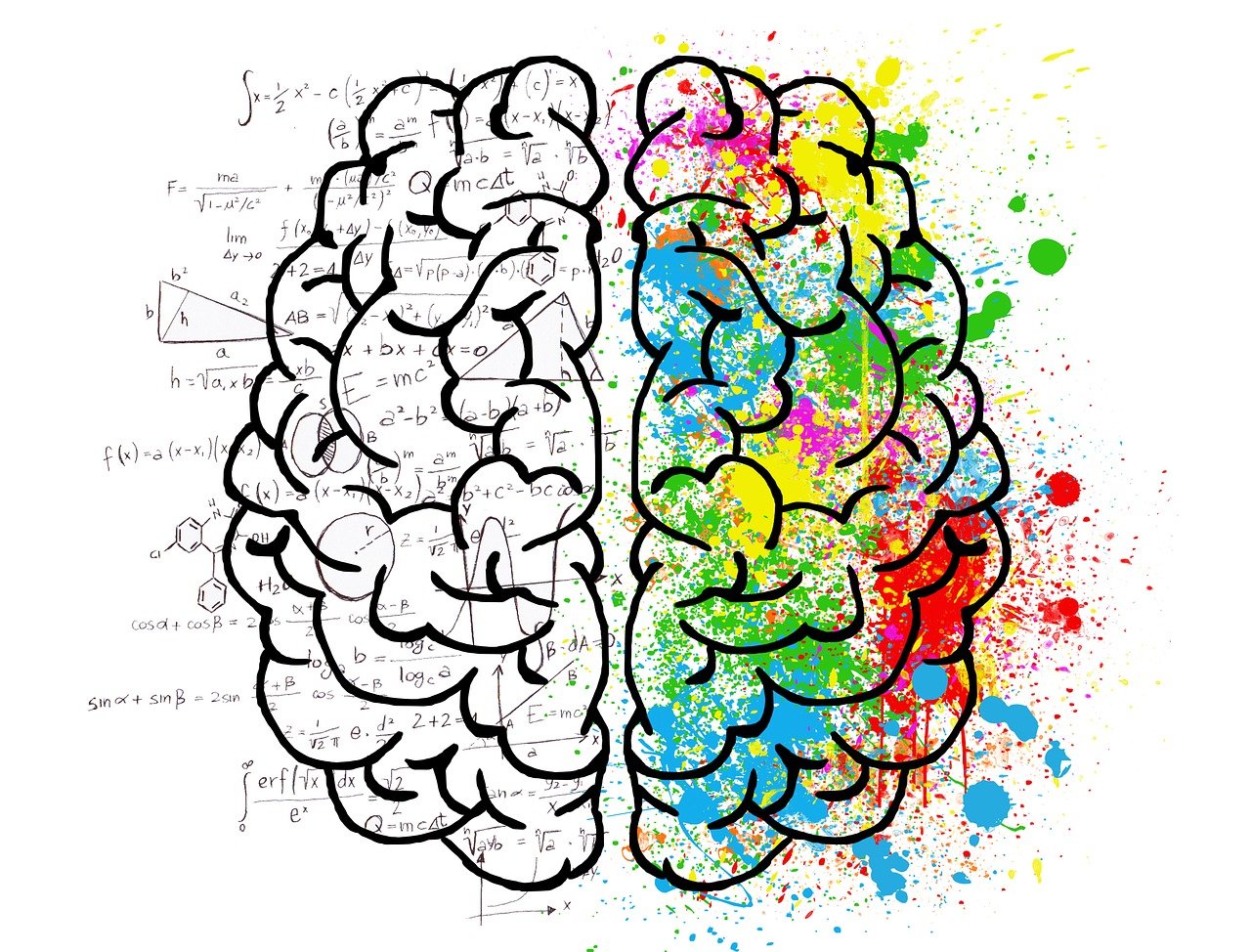
Brain’s Two Zones—Survival vs. Growth
In the Growth Zone—Creativity, productivity, problem-solving, clear thinking, and balanced emotions thrive here.
This is where resilience, innovation, and meaningful progress happen.
You feel calm, focused, and capable.
Most employees unknowingly spend the majority of their workdays in the Survival Zone.
That's why stress feels "normal."
However, "normal" isn't the same as healthy.
The real opportunity—and what this course is designed to help you achieve—is to interrupt the Survival Zone cycle and retrain your brain so the Growth Zone becomes your default state—even in a high-demanding workplace.
Reflection Exercise
Which Zone Are You In?
Take a moment to think about your typical workday.
Do you often feel rushed, defensive, or worried about making mistakes?
That’s your Survival Zone at work—your "Imaginary Tiger" stress circuits—the amygdala and HPA axis—are firing as if a "Real Tiger" is chasing you.
Or do you usually feel calm, clear-headed, and focused on solutions?
That’s your Growth Zone—the prefrontal cortex is switched on, where higher-level thinking and creativity live.
In your Course Journal, write down—
- One recent example when you know you were in the Survival Zone at work.
- What triggered it?
- How did it affect your focus, decisions, productivity, or interactions with coworkers?
- One recent example when you know you were in the Growth Zone at work.
- What allowed you to stay calm and capable?
- How did it change the way you worked or related to others?
Finally, ask yourself—
What small shift could help me signal my brain to spend more time in the Growth Zone tomorrow?
Key Takeaway
This very first module provides you with a clear, step-by-step path to move from the "survival zone" into the "growth zone" by using science-based tools that begin rewiring your brain for calm right away.
A New Way to See “Work”
As you spend more time in the Growth Zone, work often feels lighter and more purposeful.
Tasks that once felt heavy or never-ending begin to feel more purposeful—even enjoyable.
You might catch yourself smiling more often or feeling a quiet sense of satisfaction at the end of your day.
That’s the power of retraining your brain.
When your stress response quiets—your natural curiosity, creativity, and sense of meaning come back online.
Before long, you may discover something very surprising—work begins to feel less like work.
You’re Not Here to “Manage the Damage”
You’re not here to simply calm down after stress has taken over your workday.
Managing stress does not reverse the emotional and physical damage already done by it.
Here's why.
It doesn't create new calm stress prevention pathways in your brain.
You’re here to learn how to prevent stress—and to stay calm and focused before stress ever takes over.
Pause for a moment and consider this—
For many employees, stress is the deciding factor between—
- Health and illness,
- Productivity and burnout,
- And sometimes—even life and death.
You may even know coworkers who died far too young, with no official “cause of death” ever tied to stress—even though workplace pressure and chronic stress were part of the picture.
Why Managing Stress Isn’t Enough
Managing stress after it takes over may help you feel some relief, however it doesn’t prevent the chemical cascade that already impacted your body and decisions.
Avoidance—in the healthy sense—means retraining your brain to recognize "Imaginary Tigers" early and respond differently so the cascade never fully takes place.
Key Takeaway
You’re not here to “manage the damage.”
You’re here to prevent stress from taking over your workday.
How Modern Life Turned Occasional Stress into Chronic Stress
Ancient stress was acute and episodic—"Real Tigers."
Today’s stressors are chronic and continuous—"Imaginary Tigers"—emails, deadlines, politics, job insecurity, social and financial pressure.
The stress response didn’t change—what we label as dangerous did.
When everyday situations are framed as threats—the stress switch stays on—and the body rarely returns to baseline.
Reflection Exercise
No More Quick Fixes That Didn’t Stick
Here, you’ll learn how to—
- Understand how your brain reacts to workplace demands.
- Rewire those reactions so you can stay composed, even when deadlines are tight.
- Build a sense of calm confidence that isn’t tied to every email, project, or performance review.
In short—you’ll learn how to stop stress from turning your workday upside down in the first place.
Roadmap of What You’ll Discover in This Course
- The hidden triggers that invite stress into your workday
- How to break free from stress-inducing thought patterns—especially approval-seeking and fear of rejection
- Neuroscience-backed techniques to rewire your brain for calm and clarity
- How building self-dependent esteem reduces stress at its source
- Practical tools to avoid stress—not just manage it
Bottom line—by the end of this course, stress won’t be something you manage—it’ll be something you increasingly prevent.
Reflection Exercise
A Commitment Note to the Future You
Write a short note in your Course Journal to your future self describing what life at work feels like when hidden stress is gone—and commit to completing this course fully.
This is your first major step in shifting from other-dependent esteem to self-dependent esteem and letting stress dissolve.
Next in Module 2: The Impact of Stress—The True Costs
You’ve explored how stress takes its hold on you.
In Module 2—we’ll look at the true costs—on your mind, body, decisions, work productivity, and more—so you’re even more motivated to stop it before it starts.
So the downside of stress—especially in the workplace—isn’t new.
We’ve known for decades that it damages minds, bodies, and bottom lines.
Key Takeaway
Without training, your brain can’t reliably tell the difference between a "Real Tiger" that threatens your safety and an "Imaginary Tiger" that only feels like danger.
That’s why small stressors can feel overwhelming—your brain reacts to an email notification like it would to a "Real Tiger."
The more you practice spotting the difference—the easier it becomes to retrain your brain—and avoid unnecessary stress at work.
And that brings us to an important question—
If your brain reacts the same way to both, what’s actually happening behind the scenes each time stress takes over?
Let’s take a closer look at why is stress so ingrained in daily life that most people accept it as normal.
Studies from the American Psychological Association and the American Institute of Stress show that common, non-life-threatening situations—
such as work pressures, deadlines, and relationship issues—are now seen as
causes of stress.
The Invisible Trap—How Stress Became “Normal”

The Invisible Trap
What if I told you that stress has become so common in our culture that you don’t even notice it anymore?
Today's society often normalizes chronic stress, viewing it as an inevitable aspect of daily life.
This normalization can lead individuals to overlook the adverse effects of stress, reducing the likelihood of doing anything to avoid it and it's consequences.
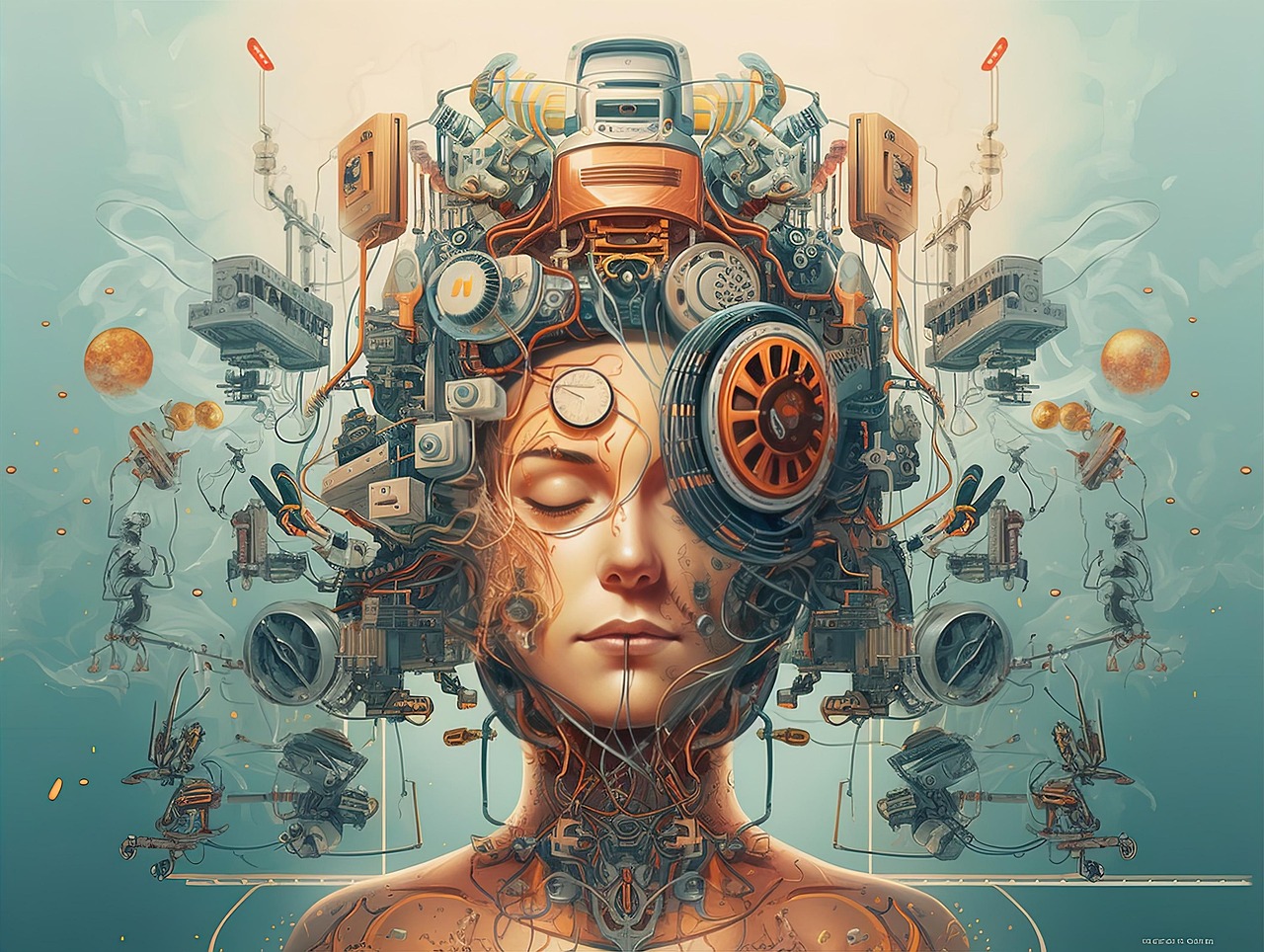
Normalized Stress
When normal life situations are repeatedly framed as stress-inducing, it becomes easy to accept stress as a constant presence.
This keeps you in a heightened state of tension, even when the threats are minimal.
As a result, most people don’t even realize how much stress they carry.
And, when you don't recognize your stress there is almost no possible way to get rid of it, let alone avoid it.
Today's culture normalizes chronic stress. It’s expected, rewarded, and even glorified:
- “If you’re not stressed, you’re not working hard enough.”
- “Everyone’s stressed—it’s just life.”
- “I’m more stressed than you—so I must be more productive.”
We begin to measure worth by output, urgency, and other people’s approval.
Stress becomes a badge of honor—and a competition, especially when it comes to work.
Truth—You can be productive without being stressed. Stress is not strength. You can accomplish a lot and still be calm.
A Few Common Everyday Signs of Normalized Stress
And here's more common stressors to identify in order to recognize your stress to start avoiding it—
Uncovering the Stress You Didn't Know You Had
Now it's time to turn the mirror on yourself and identify hidden stress patterns that have quietly shaped your daily life.
Because stress has become so ingrained in daily life, many people don’t even realize when they are experiencing it.
Here are a variety of signs to help you recognize your own deeply hidden normalized stress—
Physical Signs
- Frequent headaches, muscle tension, or fatigue
- Unexplained digestive issues (bloating, nausea, stomach pain)
- Increased heart rate or feeling "on edge"
Emotional Signs
- Irritability, mood swings, or frequent frustration
- Feeling overwhelmed or constantly pressured
- Anxiety or persistent worry
Cognitive Signs
- Difficulty concentrating or making decisions
- Mental fog or forgetfulness
- Racing thoughts or inability to “shut off” your mind
Behavioral Signs
- Changes in eating habits (overeating or loss of appetite)
- Increased reliance on alcohol, caffeine, or other substances
- Social withdrawal or avoidance of interactions
The mirror turned on you
Reflection Exercise
Take a moment to assess your daily life.
Check the box beside each of these stress symptoms that have become “normal” for you.
List moments in your day when you feel "busy," "overwhelmed," or "on-edge"—even when you think you're relaxed.
Write them down in your Course Journal, and note how your practice stressor—your specific daily recurring stressor—contributes to them.
This will serve as your starting point for stress avoidance.
Then ask yourself the bigger question—do you want stress to really be a normal way of life?
And more importantly—can there be another way?
Reflection Exercise
Hidden Normalized Stress
Check the subtle signs that stress has become “normal” for you—
List moments you feel “busy and/or on-edge”—even when you think you’re “fine.”
Note how your practice stressor fuels them.
Think about this—Do you want stress to be your normal?
Jot down your insights in your Course Journal.
This reaction to a real life-threatening situation is a built-in instantaneous response from the most ancient and instinctual reptilian brain, also referred to as the primitive brain.
The reptilian brain’s number one priority is OUR SURVIVAL as a person and as a species and never takes time off from its job.
It is always on the lookout for life-threatening danger. It is responsible for regulating basic survival functions such as breathing, heartbeat, and the “fight-flight-freeze” stress response.
That's quite an important purpose, do you agree?
Key Takeaway
Stress Is Everywhere—Have We Been Addressing It All Wrong?
Stress shows up everywhere—at work, at home, in daily life.
It’s in the news cycle, in conversations with coworkers, on social media, and running through your own thoughts.
And yet, despite stress being everywhere, few people stop to question—
- What is stress really?
- Why do we have it?
- Does it help us or hurt us?
The answer is—both.
Stress has a real biological purpose. Left unchecked, it becomes harmful.
The Science of Stress—Why Your Brain Won’t Let Go
At its core, stress isn’t your enemy.
It’s your body’s built-in survival system—hardwired into your brain for thousands of years to keep you alive.
The Protector You Never Knew You Had
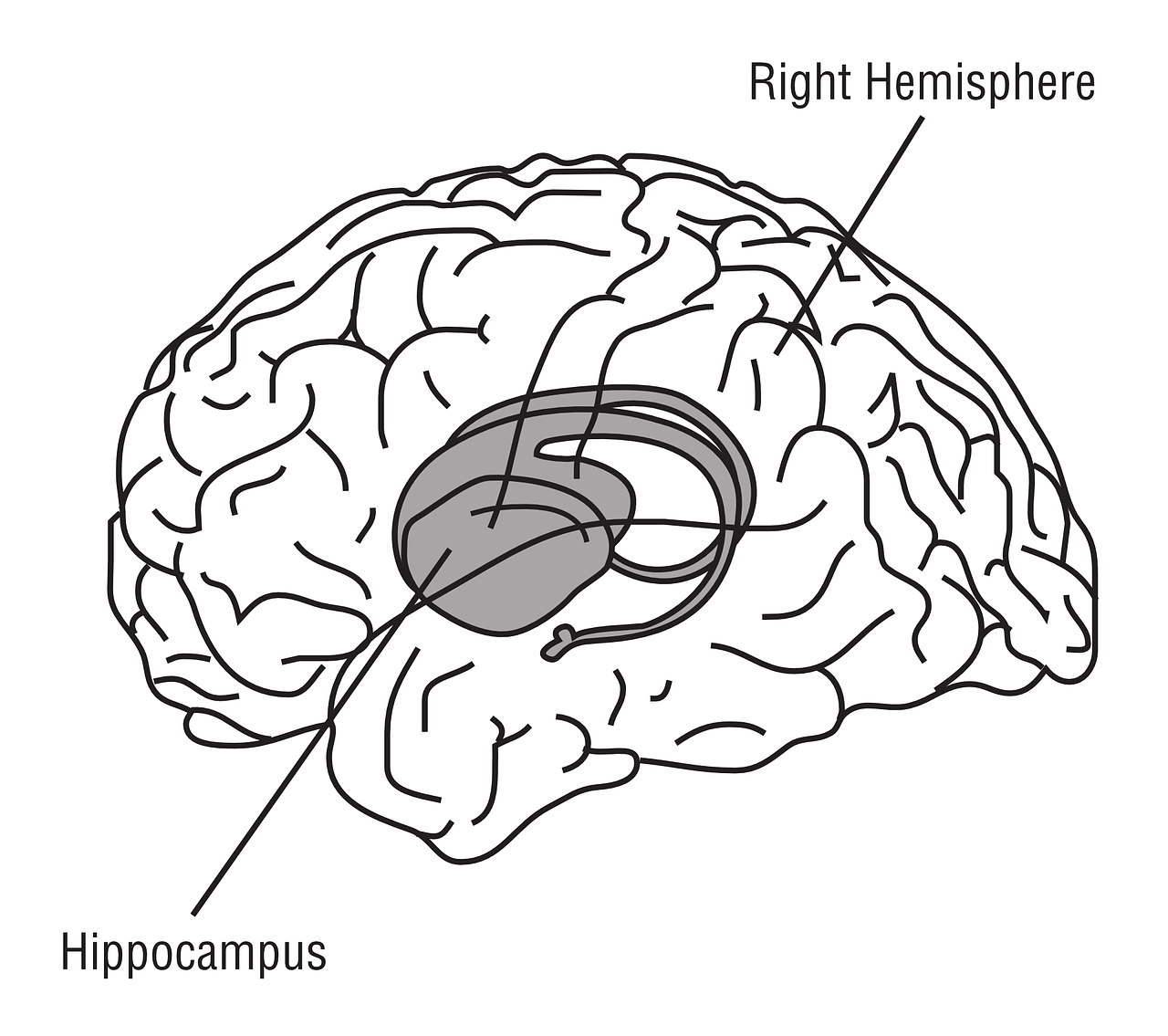
Deep inside your brain, the HPA axis—hypothalamic–pituitary–adrenal system—is always on duty, scanning for threats.
The moment it senses danger—real or imagined—it flips the switch.
Cortisol and adrenaline surge through your body.
Your heart races. Your breathing quickens. Your muscles tighten.
This lightning-fast chain reaction is your "fight-flight-freeze" stress response.
It pushes every bit of your energy toward one goal—survival.
It was lifesaving for cavemen facing real tigers.
HPA Axis
This is known as the Stress Response—an automatic "fight-flight-freeze" reaction designed to keep us safe—and alive!
Before you can stop stressing—you first have to understand what it really is—and that it exists to protect you, not harm you.
Today, the same system gets triggered in the workplace by deadlines, emails, politics at work, and job insecurity.
Your brain doesn't naturally distinguish between "Real Tigers" and workplace "Imaginary Tigers"—that's a skill you'll practice here.
Key Takeaway
Your brain can’t tell the difference between a "Real Tiger" and an “Imaginary Tiger” like a blunt email from your boss.
Both set off the same "fight-flight-freeze" stress response—unless you train it otherwise.
From Cavemen to the Corporate Office
Picture this—one of our ancient ancestors heads out at dawn to hunt.
Suddenly, a tiger appears on the path—hungry and ready for breakfast.
Instantly, his survival brain takes over.
Adrenaline floods his system, muscles fire, and he makes a split-second choice—fight, run, or freeze—saves a life.
That response saves his life.
Fast-forward to today.
We don’t see many "Real Tigers" on the sidewalk.
And yet our brains survival wiring is the same.
Only now, today's “Tigers” look like—
A machinery hazard or fire alarm—today's version of a "Real Tiger."
And more often, they are "Imaginary Tigers" like—
- The possibility of layoffs after COVID.
- Political tensions spilling into workplace conversations.
- A critical presentation that feels like it could make or break your career.
Same brain. Different "tigers."
What's changed is the environment.
Your wiring hasn’t evolved from the morning hunt for breakfast to today's workplace.
And when the "fight-flight-freeze" stress response is switched on too often by “Imaginary Tigers” that never really end, it starts to do damage.
Let's begin to recognize your stress in your workplace—and start avoiding it by taking a closer look at—
The Truth About Stress
Stress isn’t just “feeling overwhelmed.”
It’s a full-body alarm system—flooding you with hormones, keeping your brain on high alert, and silently wearing down your immune system, your heart, and even your memory.
Left unchecked, it can show up as—
Full-body alarm system
The most dangerous part?
You can get so used to living with stress that it feels normal—until your body starts breaking down.
If any of these sound familiar to you—you’re not alone.
Besides showing up for this course—one of the first steps to avoiding stress—especially at work—is recognizing how much of it you’ve been carrying.
Reflection Exercise
Your Daily Signs at Work
Think about your daily life while at work.
Place a check mark in the box beside the common daily signs that apply to your workday—
Now write down your 3 most common work stressors in your Course Journal.
Then ask yourself—
- Do these things cause stress, or is it my response to them?
- Would someone else react differently in the same situation?
- How might I see them from another perspective next time?
Now write about your insights in your Course Journal so you can refer to them as you move along in this course.
Awareness is crucial in retraining your brain to stay calm, clear, and productive — even in the middle of your busiest workday.
The Science of Rewiring Your Brain's Response to Stress
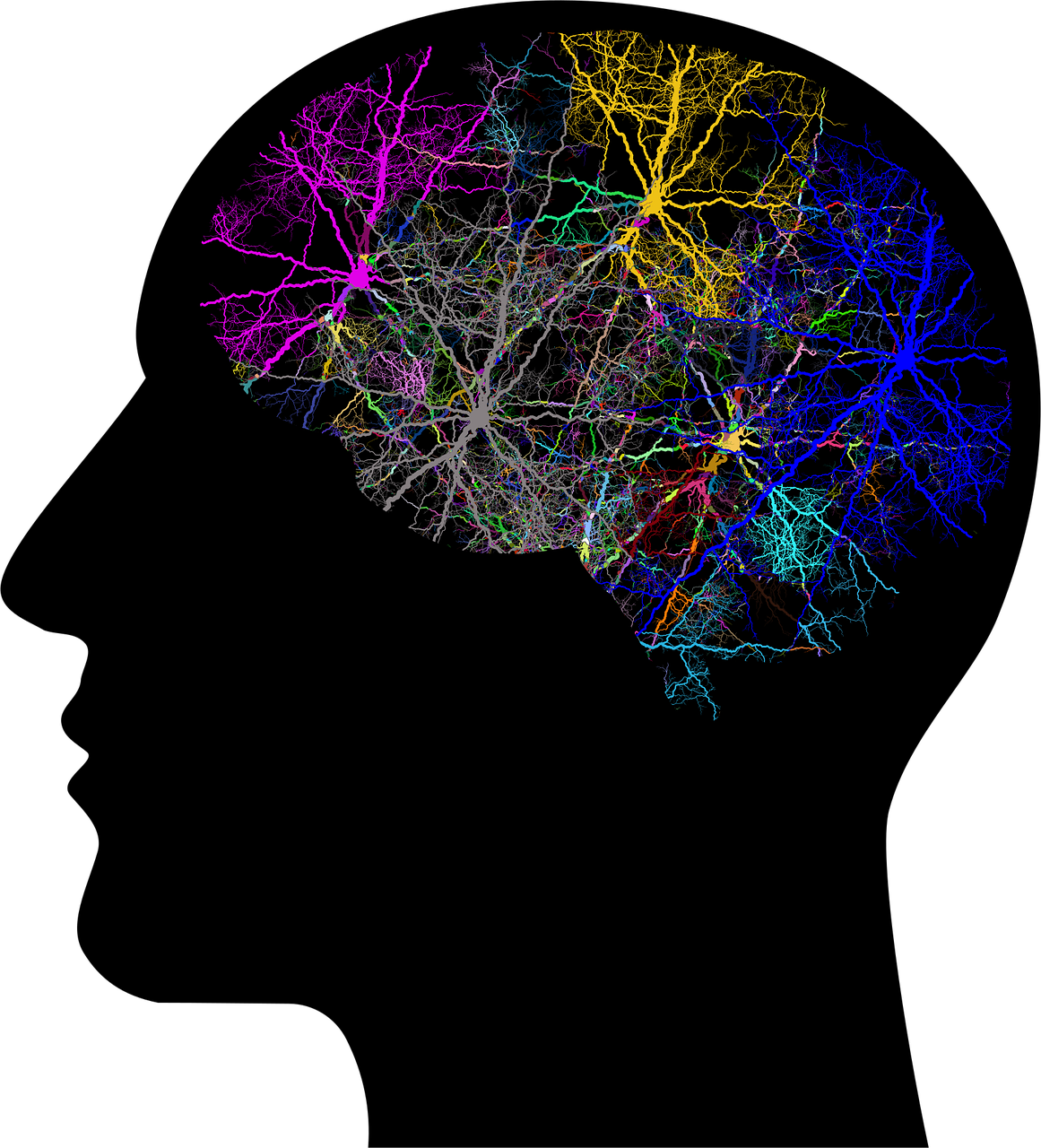
Your brain has neuroplasticity—the power to rewire itself by forming and growing new neural pathways.
Every time you shift from a stress-triggered reaction to a calmer response—you’re strengthening a new "calm route" neural pathway.
Over time—your brain can default to calm instead of chaos.
This isn’t wishful thinking—it’s neuroscience.
And you’ll begin putting it into practice right here in Module 1.
Brain's neural pathways
Does Stress Have a Purpose? Yes—and it cuts both ways
Emphatically, yes it has a true purpose.
It's purpose helps us and hurts us.
So, let’s get a clear understanding of what stress is—and what it isn’t—
Are you with me?
Stress is designed to help you survive.
It also hurts when it’s constantly activated by "Imaginary Tigers."
How the Body Responds to Stress
Now that you know stress has a purpose—let's go deeper into how your body responds to it—and why it feels so intense sometimes.
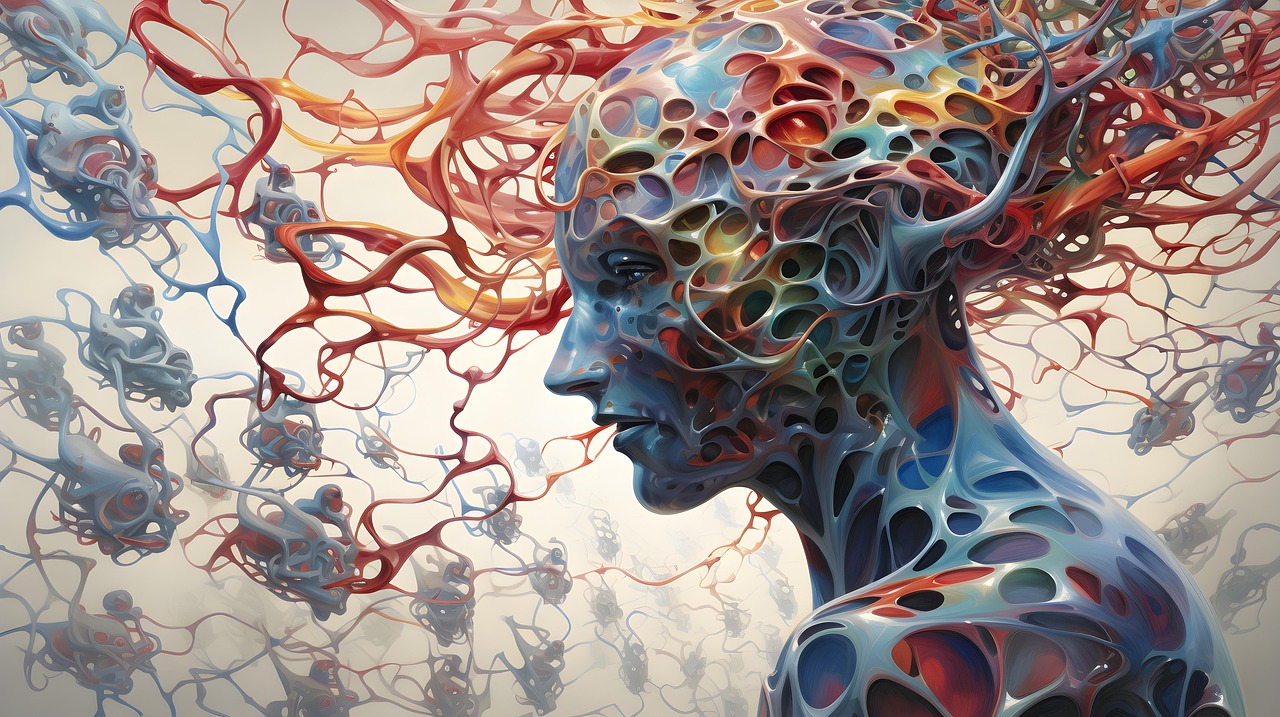
Imagine this—You’re lying in bed, staring at the ceiling, mind racing.
Mind racing
Your heart pounds. Your stomach tightens. Your body is on high alert.
Now, picture this—One of your ancient ancestors standing in the wild, face-to-face with a real tiger.
Their heart pounds. Their stomach tightens. Their body is on high alert.
Same reaction. Different threat.

Key Takeaway
Your brain can’t tell the difference between a real tiger and a modern-day "imaginary tiger" like the looming deadline to meet tomorrow keeps you up at night—

Things keeping you up at night
- Work productivity
- Performance review and pay increase worries
- Coworker conflicts
- Never-ending to-do lists
- Worried about what the boss thinks about you
Reflection Exercise
Why Managing Stress Isn’t Enough
While the stress response is a natural and important response to the dangers of a real tiger coming down the path, it can also have dangerous effects on the body if it is frequently activated repeatedly or for prolonged periods of time.
Real Tigers represent Acute Stress which is immediate, high-intensity, and short-term.
Think of a caveman facing a charging real tiger.
His body’s fight-flight-freeze Stress Response kicks in instantly.
Physical Symptoms of the Real Tiger stress response include rapid heartbeat, sweating, and increased blood pressure that quickly return to normal once the threat passes.
Psychological Symptoms of the Real Tiger stress response include heightened alertness, a burst of energy, and focused attention.
Key Takeaway
Although these reactions to a Real Tiger are intense, they quickly return to normal as soon as the Real Tiger danger passes.
Your body is designed to handle the Real Tiger short-term stress without long-term damage.
To the contrary—Same Brain. Different Tiger.
In today’s workplace world, an impending job-threatening disaster such as a company merger, layoffs, overtime hours, or even an active shooter threat can trigger this rapid, life-saving Real Tiger "fight-flight-freeze" Stress Response.
Whether you’re running from danger or running late for a meeting, your brain activates the same "fight-flight-freeze" Stress Response.
It is an "Imaginary Tiger" "fight-flight-freeze" Stress Response.

Imaginary Tiger Stress Response
"Imaginary Tigers" represent Chronic Stress which is in contrast to Real Tigers Acute Stress.
The "Imaginary Tigers'" chronic stress is subtle, low-intensity, and persistently long-term.
It is triggered by your thoughts and interpretations of everyday situations, such as interpreting a matter-of-fact email from your boss into a life-threatening disaster that you might be fired.

Same Brain. Different Tiger.
And you know the rest—you experience the same physical and psychological symptoms as if it was a Real Tiger.
The difference is it's never over.
You can't stop thinking about it, you can't sleep, you even dream about losing your job and living under a bridge, and it continues to exist in your thoughts without end.
Physical Symptoms of the "Imaginary Tiger" stress response include rapid heartbeat, sweating, and increased blood pressure that slowly, if ever, return to normal for an indefinite length of time.
Psychological Symptoms of the "Imaginary Tiger" stress response include heightened alertness, a burst of energy, and focused attention that continues for an indefinite length of time.
Key Takeaway
Although these "Imaginary Tiger" reactions are intense just like those of Real Tiger life-threatening danger, they take a long time to return to normal when, and if, the perceived "Imaginary Tiger" danger passes.
Your body is NOT designed to handle the "Imaginary Tiger" long-term stress without long-term damage.
Your brain treats all of these "Imaginary Tiger" stressors as if your survival depends on them.
And here’s the tricky part—
The more your brain reacts this way, the more it wires itself to see workplace stress as normal.
Normal stress quickly becomes chronic—and that’s when it stops being helpful and starts becoming harmful.
How the Caveman's Stress vs. Your Stress
Stress has been around since the beginning of time, serving as a fundamental tool for survival.
So what is different now?
From Predators to Present Day Pressures
Ancient humans faced real, life-threatening dangers—extreme weather, food shortages, and wild predators. The "fight-flight-freeze" stress response helped them survive these threats.
Ancient humans faced real tigers...
The "fight-flight-freeze" Stress Response survival mechanism our caveman ancestors relied on when faced with their real tiger dangers—a predator lurking in the shadows—is the same survival mechanism that still exists today.
Back then—the stress response served a clear purpose—survive or be eaten.
Imagine a caveman heading out to hunt for breakfast.
Suddenly, a tiger appears—also looking for breakfast!
Instantly, the caveman’s stress response kicks in before he even has time to think.
And it’s a good thing it does—
Because without it—he might become the tiger’s breakfast!
His heart rate spikes, his breathing quickens, and his muscles tighten—preparing him to "fight, flee, or freeze." This automatic survival mechanism kept early humans alive.
Imagine
So here’s the big question—
How did this occasional acute Real Tiger Stress Response turn into a frequently activated, prolonged chronic Imaginary Tiger Stress Response?
Fast Forward to Today—
Your body still responds to stress the same way it did in caveman days—those same survival instincts are still hardwired into your reptilian brain.
Only now the threats have changed.
Instead of wild animals, we now react to emails, deadlines, social pressure, and financial concerns as if they were life-or-death situations.

Emails

Work deadlines
Financial Concerns
Your brain hasn't changed.
Your stressors have.
This difference has changed everything.

Modern Day Imaginary Tiger
Instead of encountering real tigers,
we face "Imaginary Tigers" daily—
- Work deadlines
- Financial concerns
- Relationship conflicts
- Social pressures
- Overloaded schedules
- To-do-lists
Your brain now reacts to these modern "Imaginary Tiger" stressors as if they were life-threatening Real Tiger dangers.
An email from your boss, a negative comment on social media, or the fear of public failure can trigger the same stress response as a Real Tiger attack.
The stress response hasn’t changed—only what we think is dangerous has changed.
When we perceive everyday situations as life-or-death threats— we keep our stress response turned on—leading to chronic stress that never fully shuts off.
And herein lies the real harm of today's stress.
Key Takeaway
Your brain does not distinguish between a Real Tiger—a genuine life-endangering threat— and an Imaginary Tiger—a perceived life-endangering threat.
It reacts to an email notification the same way it would to a wild animal charging toward you.
This explains why even small stressors can feel overwhelming.
Reflection Exercise
Compare your stress to a real danger—
To help you recognize how your brain responds to imagined life-endangering threats as if they were real life-threatening dangers, reflect on the following:
- Describe a recent situation that triggered stress for you.
- What happened?
- Identify the trigger.
- What specific aspect of the situation felt life-threatening? (e.g., fear of failure, judgment, rejection)
- Notice your stress response.
- Physical—Did your heart race? Did you feel tense? Did your stomach feel uneasy?
- Emotional—Did you feel anxious, frustrated, or overwhelmed?
- Behavioral—Did you react impulsively, avoid the situation, or freeze up?
- Compare your reaction to a real life-threatening danger.
- Do you see similarities between how you respond to "Imaginary Tiger" stress and how you might react if faced with a Real Tiger on the sidewalk?
- Shift your perspective.
- Was this a real life-or-death situation, or was it an "Imaginary Tiger"?
- How might viewing it differently help you avoid stress?
- What could you say to yourself next time to remind your brain that it’s not a Real Tiger?
Write down one key takeaway from this exercise in your Course Journal and note how this awareness can help you avoid stress in the future.
The High-Stakes Consequences of Chronic Stress
Research shows that chronic stress isn’t just an inconvenience—it can have serious consequences, including neurobiological changes that contribute to depression, hopelessness, and even decisions as severe as assisted suicide.
By recognizing your "Imaginary Tigers", you can begin to retrain your brain to respond differently—avoiding stress and increasing calm.
Depression and Hopelessness
And here's more common stressors to identify in order to recognize your stress to start avoiding it—
Uncovering the Stress You Didn't Know You Had
Now it's time to turn the mirror on yourself and identify hidden stress patterns that have quietly shaped your daily life.
Because stress has become so ingrained in daily life, many people don’t even realize when they are experiencing it.
Here are a variety of signs to help you recognize your own deeply hidden normalized stress—
Physical Signs
Emotional Signs
Cognitive Signs
Behavioral Signs
The mirror turned on you
Reflection Exercise
Take a moment to assess your daily life.
Check the box beside each of these stress symptoms that have become “normal” for you.
List moments in your day when you feel "busy," "overwhelmed," or "on-edge"—even when you think you're relaxed.
Write them down in your Course Journal, and note how your practice stressor—your specific daily recurring stressor—contributes to them.
This will serve as your starting point for stress avoidance.
Then ask yourself the bigger question—do you want stress to really be a normal way of life?
And more importantly—can there be another way?
Rethinking Stress-Inducing Situations into Opportunities
Most stress programs focus on coping strategies—dealing with stress after it has already taken hold.
That’s like treating symptoms instead of curing the disease.
Avoiding stress isn’t about avoiding certain situations—it’s about retraining your brain to interpret them differently.
Instead of seeing setbacks as threats—you can learn to see them as growth opportunities.
This shift is essential for breaking free from the "Imaginary Tiger" Stress Response and reclaiming control over your well-being.
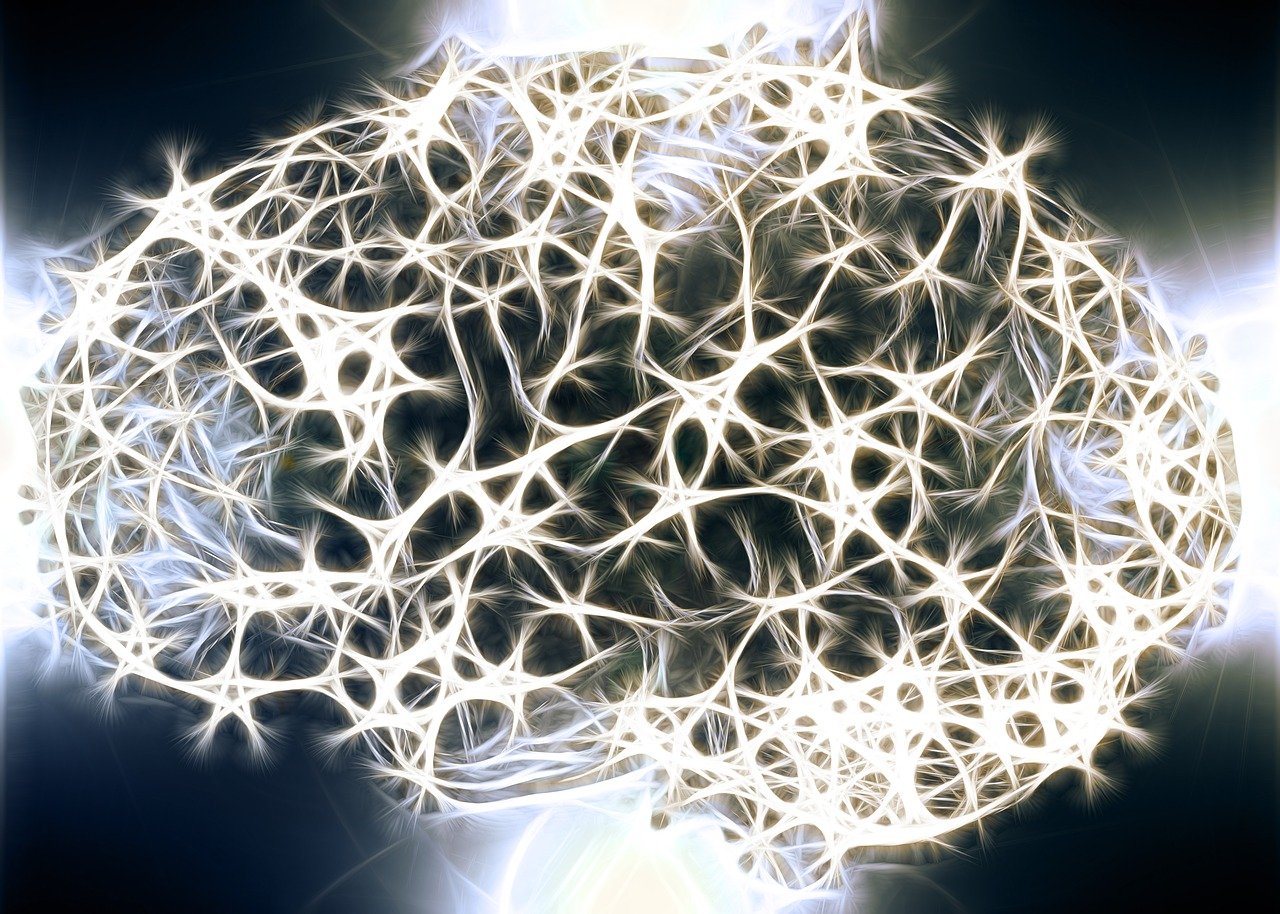
Retrain Brain Neural Pathways
From this moment forward, when you recognize that you have encountered stress, ask yourself—
By rethinking how you view certain situations—you begin the process of retraining your brains to avoid stress—reserving your stress response for true dangers like natural disasters, physical threats, or life-threatening emergencies.
The Stress Cycle—Expected, Rewarded, and Glorified
Now that you see how stress became normalized, it's time to uncover why society made it such a badge of honor—and how this keeps you trapped.
Stress isn’t just tolerated in modern society—it’s expected, rewarded, and even glorified.
Think about it—
 “If you’re not stressed, you’re not working hard enough.”
“Everyone else is stressed, too—it’s just part of life.”
“I’m more stressed than you, so I must be more important.”
“It’s cool to be stressed—it means you’re ambitious.”
Think about it
From a young age, we’re taught to believe that stress is a sign of productivity, intelligence, and success.
In school—students compare how little sleep they got before a test, as if exhaustion equals dedication.
In the workplace—employees compete to see who’s the busiest, the most overworked, and the most stressed—because that supposedly proves their value.
On social media—people brag about their packed schedules and high-pressure lifestyles, reinforcing the idea that stress equals looking good to others.

Stress Badge of Honor
Even worse? Stress can sometimes become even more than a badge of honor.
How often have you heard (or even said):
“I have so much going on, I can barely function.”
“You think you’re stressed? Let me tell you about my week.”
“I don’t have time to relax—there’s too much to do.”
Stress becomes a competition.
And no one wants to be the person who isn’t stressed—because that would mean you’re not working hard enough, not successful enough, or not caring enough. Or not something enough!
Yet, here’s the truth—
It’s time to break free from the illusion that stress is just a normal part of life—or worse, that it’s essential for being enough.
The Silent Source of Stress No One Talks About
Can you begin to see from what you have already discovered about stress in this course that society has conditioned us to measure our worth by external validation—which includes being stressed to the max?
Hidden root cause of stress
We commonly think stress comes from work, money, or life pressures—and yet research confirms that the real source, and least recognized, is much deeper.
Let me show you the real hidden root cause of stress.
Why This Course is Different
This course uncovers the root cause of long-term stress according to cutting-edge neuroscience and teaches you how to avoid stress before it starts.
There’s a reason why stress feels never-ending and unavoidable—your brain is wired to seek approval and fear rejection.
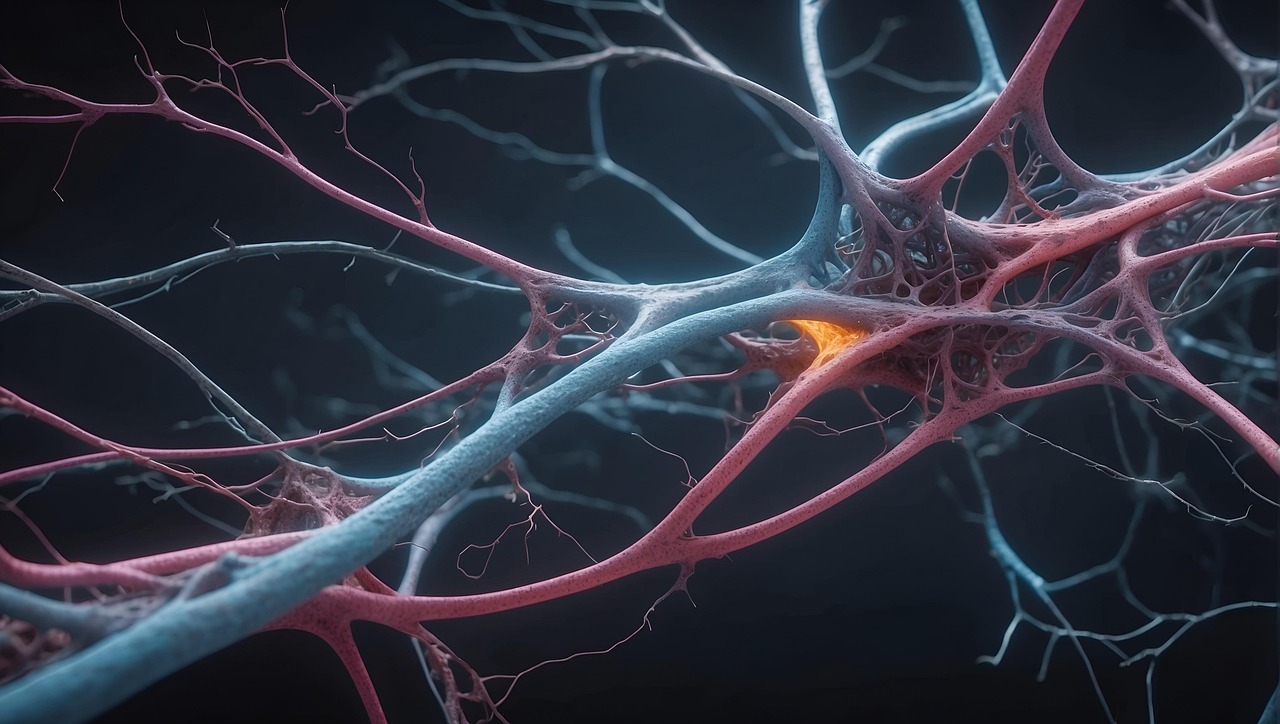
Brain is wired to seek approval
Most people don’t realize—stress isn’t about the symptoms of pressure, responsibilities, or deadlines—it’s root cause is your fear of rejection and need for approval which is dependent upon you having real self-dependent esteem.
Are you surprised?
My discovery of Other-Dependent Esteem equates to traditional “low self-esteem” and more.
“I’ve experienced a lifetime of Other-Dependent Esteem and thought there was something wrong with me because I wasn’t happy like everyone else seemed to be…”
---Patricia Noll
I’ll share more of my story in Module 6.
For now, know this—
What you’re feeling isn’t personal failure—it’s conditioning. And you can unlearn it by retraining your brain.
Meaning of Other-Dependent Esteem
Other-Dependent Esteem means your self-worth is tied to external validation—
what others think of you, what you achieve, how you look, what you own—
and the list goes on without end.

What do others think about you?
This creates constant, underlying stress—
- Needing to measure up
- Seeking approval
- Fearing rejection
- Never feeling like you’re good enough
- —and much more
Sound familiar?
Does this kind of resemble the characteristics of low self-esteem to you?
The Foundation of Freedom From Stress
My discovery of Self-Dependent Esteem—on the other hand—is the foundation of freedom from stress.
When your self-worth comes from within—not from the opinions or actions of others—stress begins to lose its grip on you.
Your self-worth does NOT come from—
- What you know
- Who you know
- What you have
- What you look like
- What you have accomplished
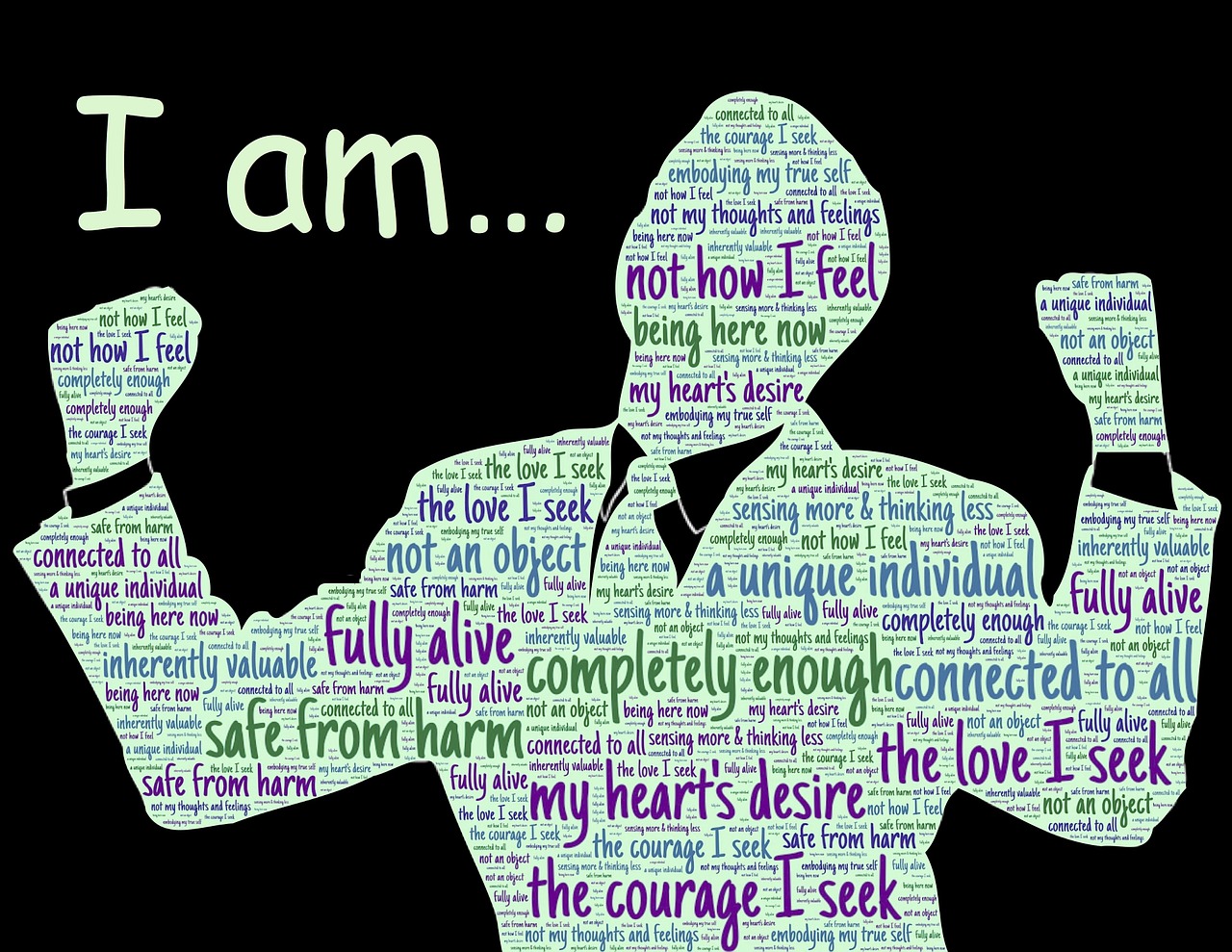
Self-worth comes from within
The Two Esteems

YES!
There are two esteems.....
self-dependent and other-dependent.
AND YES!
We live in a world dominated by
other-dependent esteem!
Have you ever felt overwhelmed—not just by tasks—rather by the pressure to prove yourself?
That’s not just stress—it’s the hidden force of other-dependent esteem at work.
My Discovery That Changed Everything
"My discovery of other-dependent esteem defies our traditional notion of self-esteem. No one seems to understand that what is considered to be self-esteem has nothing to do with self.
We’re teaching other-dependent esteem and wondering why we don’t feel good—when the esteem we have for who we are is dependent upon someone or something outside of ourselves, it comes and goes.
There’s never enough validation, kudos, or accomplishments to last…"
---Patricia Noll
When your sense of worth depends on meeting societal expectations— stress becomes a constant companion—and life is hard!
The Science Behind Why Stress Controls You
Now that you know the hidden root of stress is other-dependent esteem—let me show you the science that proves it—and why changing this changes everything.
Ever noticed how stress makes your heart race, your thoughts spiral, or your body tense up even when there is no real tiger around?
Kind of just like the caveman's response to stress when it faced real tiger danger—isn't it?

The Caveman's Real Tiger
That’s your brain that has been wired to stress whenever it feels life-threatening danger reacting as a survival response.
Your life-threatening danger is dependent upon your type of esteem—other-dependent or self-dependent.
When your esteem for yourself is dependent upon what others think and say about you, your brain is always on high alert for life-threatening dangers and ready to respond to it just like it is facing a Real Tiger.
So what if that response is outdated—and fixable?
Let's check out what the amazing neuroscience has to say—
What Research in Neuroscience and Neuroplasticity Shows

Brain's pain and threat centers
Stress Avoidance is Crucial
Stay with me as we explore why stress avoidance is crucial, and how learning to Stop the Stress before it starts can change lives.
This next part is necessary to bring to light even though it may be hard to hear—chronic stress combined with low self-esteem can lead to tragic consequences—and I want you to break free before that ever happens.
Reaching Out
Studies have shown that many people who seek assisted suicide don’t do so because of physical pain, they do so because of psychological distress, social isolation, and a loss of meaning in life—
All of which are deeply tied to other-dependent esteem and the stress it creates.
Here's the link—
The Link Between Chronic Stress, Other-Dependent Esteem, and Assisted Suicide

Chronic stress reshapes brain
Chronic stress isn’t just a temporary discomfort—it reshapes the brain.
Over time, this can lead to—
The Role of Other-Dependent Esteem in Stress and Suicidal Thoughts
One of the most overlooked contributors to stress is low self-esteem—which I have found to be known as other-dependent esteem—where a person’s sense of worth is based on external validation rather than inner self-value.
Neuroscience confirms that—
- Social rejection and perceived failure activate the brain’s pain centers, leading to heightened stress and emotional suffering.
- Chronic feelings of inadequacy overstimulate the amygdala, the brain’s fear and threat center, making stress responses more intense and long-lasting.
- A lack of internal self-worth suppresses dopamine production, reducing motivation and increasing feelings of despair.
- Reliance on external validation creates a constant state of anxiety, as individuals feel pressure to meet unrealistic expectations.

External Validating Applause
This is why traditional stress management techniques fall short.
They fail to address the root cause of stress or provide a way to truly avoid it.
Reflection Exercise
Think of a time when stress felt overwhelming.
Take a moment to reflect on these questions—
- What were the main causes?
- Were they tied to external expectations or fear of failure?
- Did you feel pressure to meet someone else’s standards?
- How did that influence your stress levels?
If you had avoided that stress altogether—
- How might the situation have changed?
- What different choices could you have made?
Write about your responses in your Course Journal.
The Painful Reality of Just Managing Stress vs. Avoiding It Entirely
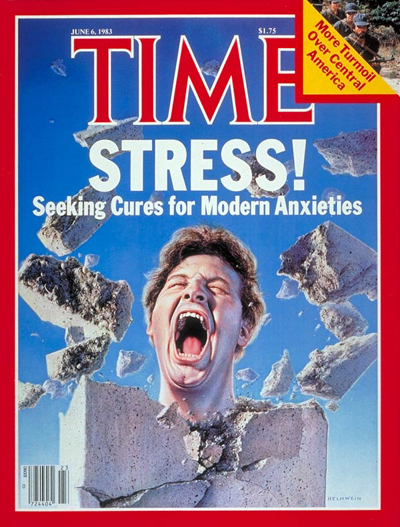
Seeking Cures for Modern Anxieties
It important to mention again that the realized consequence of stress isn’t new.
Back in 1983, Time Magazine's cover was seeking cures for modern anxieties—STRESS!
Yet, decades later, stress levels remain high—and so does the demand for stress management programs.
If stress management techniques were the solution, why are people still dying from stress?
We Wonder Why Stress Is Our #1 Killer
We’re teaching other-dependent esteem instead of self-dependent esteem.
We're led to believe that stress-management is the answer for relief.
It is a perfect set-up for long-lasting daily stress that eventually kills.
Instead of merely managing and coping with stress after it has already taken hold, what if you could avoid it altogether?
The Reality of Traditional Stress Management
The reality is that traditional stress management methods only help manage the aftermath of stress—not prevent it.
The discovery of neuroscience and neuroplasticity now makes it possible to avoid stress altogether.
To understand why avoiding stress is different from managing it, let’s take a closer look at the business of stress management.
The Business of Stress Management
Yes! Managing stress is big business.
Clearly—most people would like to be rid of their stress.
This is evidenced by the number of people who participate in stress management programs and rely on stress management experts.
Stress management techniques are abundant and come in all forms and costs.
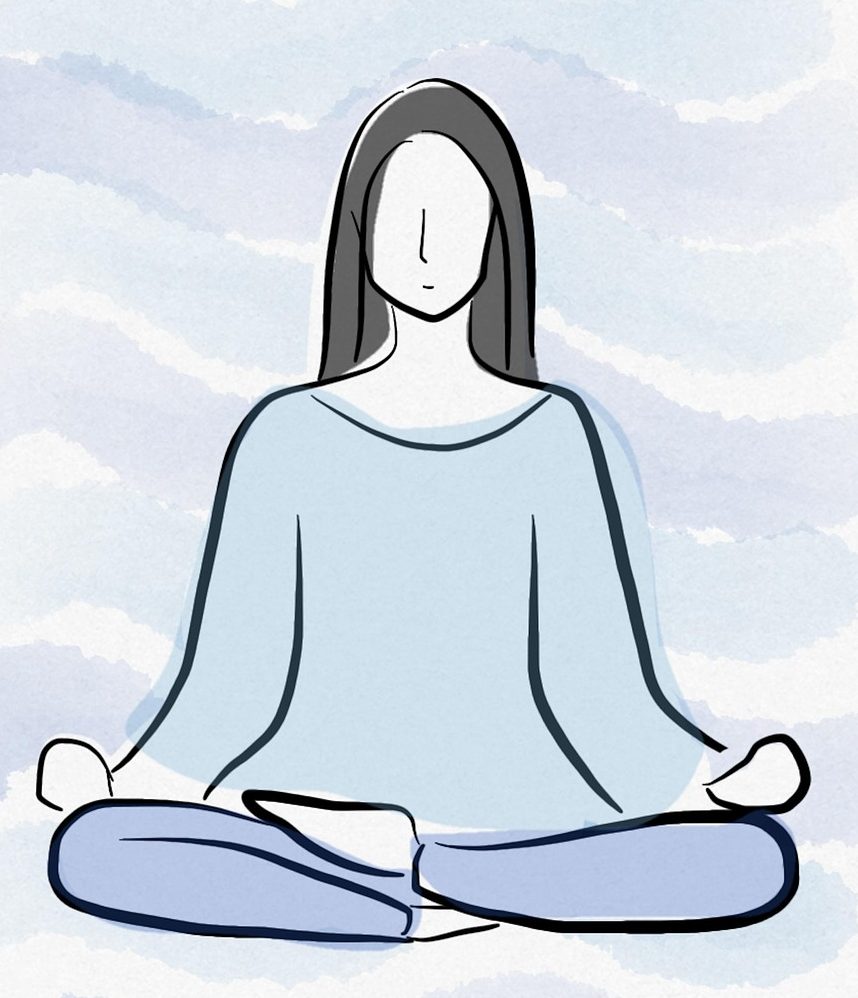
Stress Management Technique
According to the American Psychological Association’s annual “Stress in America” survey conducted in 2020, stress-related spending in the United States was estimated to be around $14 billion per year.
The demand for stress management is massive and growing worldwide with billions spent on programs and techniques such as—

Cruise vacation
Yet, despite all these efforts, people remain trapped in the cycles of stress.
The reason?
These techniques only manage stress after it has already impacted the brain and done its damage to the body.
According to Psychology Today—
85% of people who practice yoga daily report feeling less stressed.
And yet, feeling less stressed still impacts the brain and damages the body.
Why?
Because less stress still impacts the brain and body—it does not have the effect of avoiding stress altogether.
The Hidden Ways We Cope With Stress
While Billions of dollars are spent on traditional stress management techniques that range from meditation to telling a joke (no joke), many people unknowingly turn to harmful coping mechanisms—
- Distractions—Binge-watching TV, excessive gaming, social media scrolling
- Aggressive Outbursts—Violence, shouting, venting anger
- Emotional Suppression—Pretending to be calm while internalizing stress
- Procrastination—Delaying necessary tasks to avoid stress
- Disordered Eating—Binge eating or starvation as a response to stress
Even if these behaviors seem to reduce stress momentarily—do any of them help you avoid stress?
NO! Because they do not eliminate its root cause.
Instead—they allow stress to persist beneath the surface—continuing to do its damage to the brain and body.
Reflection Exercise
Focus again on your one stressor that repeatedly causes you stress in your daily life.
Instead of engaging in a stress management technique to manage the damage it has already caused, consider how you might begin to avoid this stressor entirely.
Write about your insights in your Course Journal.
Key Takeaway
Unknowingly—you have been managing the damage that your stressor has already caused—and at what cost?
The Truth About Stress—Damage Happens Before You Notice It
The moment you become stressed, your brain releases a flood of toxic chemicals that impact your physical and mental health.
By the time you start to manage your stress, the damage has already begun.
So why are billions spent on stress management rather than stress avoidance?
The answer is simple—most people don’t realize that avoiding stress is even possible.

Brain releases toxic chemicals
Why We Must Avoid Stress

Stress fuels anxiety and depression
The cost of stress is too high to simply manage—it rewires the brain, fuels anxiety and depression—and contributes to life-or-death decisions like assisted suicide.
Most people believe that managing stress is the best they can do.
And now, we know you don’t have to experience stress in the first place.
The purpose of this course is to change thoughts and save lives.
We must shift our focus away from stress management to stress avoidance.
The breakthrough?
Cutting-edge neuroscience reveals that stress can be avoided—not just managed after the damage is done.
Unlike traditional methods that only help you calm down after stress has affected your mind and body, this course teaches you how to stop the stress—
—and before it leads to destructive decisions.
This means you will learn to—
How to Avoid Stress Before It Becomes Dangerous
In this course, we will explore powerful strategies to prevent stress from taking over your life, including:
- Neuroplasticity Training—Rewire your brain to naturally avoid stress and respond differently to life situations.
- "Good With Me" Mindset Shifts to Build Self-Dependent Esteem—Learn to recognize and avoid stress-inducing thought patterns rooted in external validation.
- Lifestyle Design for Stress-Free Living—Reframe your thoughts about your environment and daily routine for stress avoidance.
- Emotional Self-Regulation—Strengthen your ability to stay calm, no matter the situation.
Key Takeaway
Learning to Live Without Stress Saves Lives
Stress isn’t just a nuisance—it’s a silent killer that contributes to serious physical and psychological dangers.
However, the good news is stress is avoidable.
Through the strategies in this course, you’ll learn how to recognize your inner value that has always been there and to live your life with dignity, no matter your circumstances—AND do it without stress.
By developing self-dependent esteem—where your worth is based on who you are, not who others think you are—you will naturally avoid stress, emotional exhaustion, and free yourself from the toxic cycle that leads way too many down a path of despair.
This isn’t just about feeling better—it’s about reclaiming your life and ensuring that stress never leads you to a place where you feel there’s no way out.
Key Takeaway
What You’ll Discover in This Course
By the end of this course, stress won’t be something you manage—it’ll be something you avoid.
The Truth Test—How Stressed Are You Really?
It's time to get honest with yourself.
Reflection Exercise
Find out whether you've been living in hidden stress without realizing it.
Take a moment to reflect on your brain’s current stress wiring and check the boxes that apply to you—
Mental Stress Patterns
and—
Physical Stress Patterns
Emotional Stress Patterns
and—
Behavioral Stress Patterns
Your Results—
If you answered yes to multiple questions, your brain may have unknowingly adapted to chronic stress—meaning stress has become your “normal.”
Repeat the Exciting News?

Neuroplasticity means you can retrain your brain to avoid stress—
Whether you normalized it or not!
Your Brain’s First Step in Breaking Free: Why This Course Is Different
What You’ll Discover Next
By the end of this course, you’ll have the tools to—
This Is More Than a Course—It’s a Breakthrough
You're not here to simply cope with stress—you're here to avoid it.
This course will show you how to rewire your brain so stress no longer controls your thinking.

Normalized alcohol and drug use
This includes the hidden impact that the normalization of stress contributes to the acceptance of substance use as a normalized coping strategy for stress.
Societal portrayals of alcohol and drug use have normalized it as a typical response to stress which often diminishes the perceived risks, leading to increased consumption and to true and dangerous hidden costs of stress.
Are you ready to feel the freedom that comes from getting rid of all that hidden stress?
Reflection Exercise
Write a letter in your Course Journal to your "future self," describing what life will feel like when you are rid of your hidden stress and are now avoiding it.
Also commit to completing the course fully.
This is your first major step in retraining your brain to shift from other-dependent esteem to self-dependent esteem—and as you do, your stress will begin to dissolve into nothingness.
Next in Module 2: The Impact of Stress—The True Costs
Now that you’ve taken a closer look at your own stress wiring, let’s explore why it matters so much.
In Module 2—we’ll dive into the real impact of stress—not just on your mind, also on your body, your choices, and your quality of life.
Let’s get clear on the true cost of staying stressed—so you’ll be even more motivated to stop it before it starts.